2026 Best Industrial Conveyor Belt Options for Efficient Material Handling?
The efficient management of materials is essential in today’s industrial landscape. The Industrial Conveyor Belt plays a pivotal role in this process. According to a recent report by the Conveyor Equipment Manufacturers Association, the global conveyor systems market is projected to reach $9.2 billion by 2026. This growth reflects the increasing demand for enhanced productivity in various sectors.
Selecting the right type of Industrial Conveyor Belt can significantly impact operational efficiency. For instance, belts designed for high-temperature environments are crucial in industries like food processing and manufacturing. However, not all companies prioritize proper belt maintenance, leading to unexpected downtime. It raises questions about best practices in maintenance, as neglecting these tasks can result in avoidable costs.
Furthermore, the variety in designs, materials, and functions of Industrial Conveyor Belts can be overwhelming. A report from Technavio indicated that the modular conveyor belt segment is expected to grow steadily. Despite this, many companies struggle to align their choices with their specific needs. This misalignment highlights a gap in knowledge that industry stakeholders must address. Understanding these dynamics will be key to maximizing efficiency in material handling by 2026.
Overview of Industrial Conveyor Belt Types for Material Handling
When selecting industrial conveyor belts for material handling, understanding the types available is crucial. There are various options designed for diverse applications. For instance, flat belt conveyors are ideal for transporting items horizontally. They have a simple design and are commonly used in manufacturing and distribution.
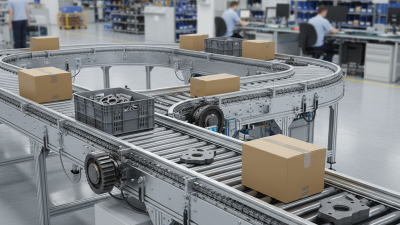
On the other hand, modular belt conveyors are popular for their adaptability. They consist of interlocking segments, which allow for easy maintenance and flexibility in layout. According to a recent industry report, the global conveyor belt market is expected to grow by 3.5% annually. This growth highlights the increasing demand for efficient material handling solutions.
Tips: Evaluate the load capacity of each belt type before selection. Different materials handle weight differently. Ensure you consider the environment. High temperatures or moisture can affect belt performance.
Additionally, don’t overlook the importance of conveyor belt tracking. Misalignment can lead to premature wear and safety hazards. Regular maintenance checks are essential to prevent these issues. Be mindful that even small adjustments can make a big difference in efficiency. Always prioritize the right choice for your specific needs.
Key Factors to Consider When Selecting Conveyor Belts
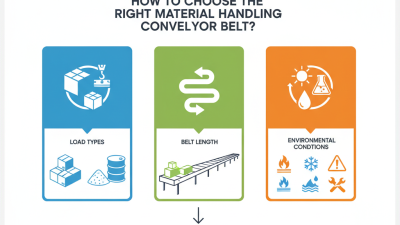
When selecting conveyor belts, several key factors come into play. Material compatibility is crucial. Different materials can cause wear and tear, leading to increased costs. A 2022 industry report indicated that improper material selection can reduce conveyor system efficiency by up to 20%. Consideration of the belt's surface texture is essential. A rough surface aids in gripping, preventing slippage. However, this can also lead to faster degradation under heavy loads.
Load capacity is another vital aspect. Choosing a belt with inadequate capacity can result in frequent breakdowns. The same report highlighted that 30% of conveyor failures stem from overloading. Additionally, environment matters. Belts exposed to extreme temperatures or corrosive materials require specialized options. Many facilities overlook this, leading to costly replacements. Lastly, maintenance needs are often underestimated. Regular checks are necessary, yet data shows that 40% of companies neglect this, leading to unexpected downtime.
2026 Best Industrial Conveyor Belt Options for Efficient Material Handling
| Belt Type |
Material |
Load Capacity (kg/m) |
Speed (m/s) |
Temperature Resistance (°C) |
Surface Type |
Ideal Applications |
| PVC Conveyor Belt |
PVC |
50 |
1.5 |
60 |
Smooth |
Food Processing |
| Rubber Conveyor Belt |
Natural Rubber |
200 |
2.0 |
80 |
Rough |
Mining |
| Modular Plastic Belt |
Plastic |
150 |
1.2 |
70 |
Textured |
Automotive |
| Steel Belt |
Steel |
300 |
1.0 |
200 |
Flat |
High-Temperature Applications |
| Fabric Conveyor Belt |
Polyester |
100 |
1.8 |
90 |
Smooth |
Lightweight Package Handling |
Top Brands and Models of Conveyor Belts for 2026
In 2026, selecting the right conveyor belt is vital for efficient material handling. Companies are focusing on durability and efficiency. Various models offer unique advantages, making it essential to assess individual needs carefully. The right choice can minimize downtime and optimize productivity.
**Tips:** Consider environmental factors. Temperature and humidity can affect belt performance. Testing the conveyor belt in real conditions can save time and costs later.
Different materials can impact efficiency. Rubber, plastic, and metal belts each serve specific purposes. Evaluate the load capacity and speed features. It’s crucial to match these to the scope of operations.
**Tips:** Regular maintenance is crucial. Ensuring belts are clean and properly aligned helps prevent issues. Ignoring minor wear can lead to major breakdowns.
When selecting a model, review user feedback and performance reports. Look for common issues that many users encounter. Understanding these can help in making a more informed choice. After all, every operation has unique demands.
2026 Best Industrial Conveyor Belt Options for Efficient Material Handling
This chart represents the efficiency ratings of different types of industrial conveyor belts based on material handling capabilities in 2026. The ratings are based on performance metrics such as load capacity, speed, and durability.
Maintenance and Performance Enhancements for Conveyor Systems
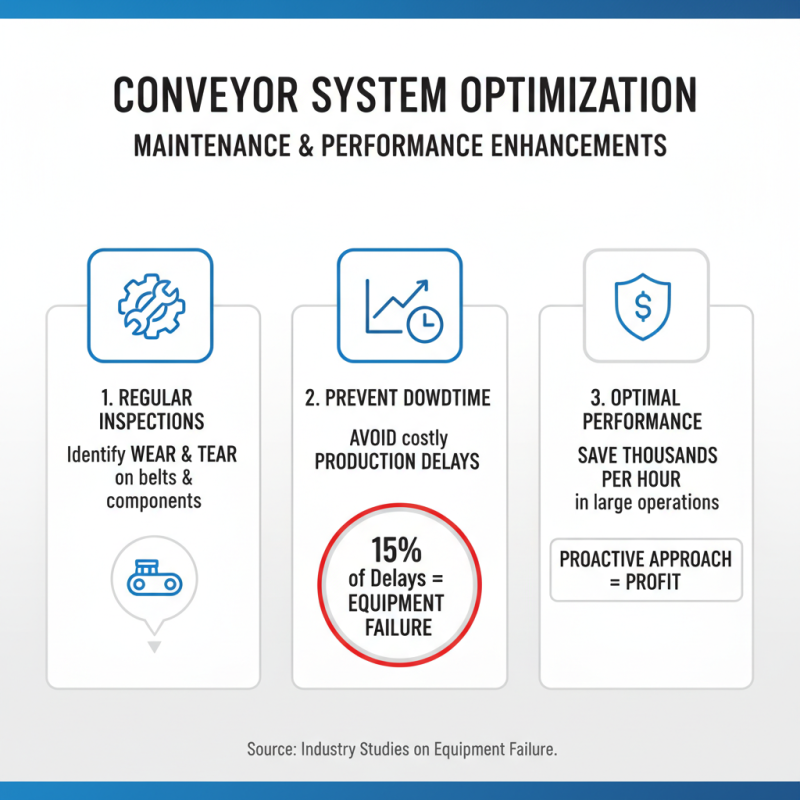
Maintaining conveyor systems is crucial for optimal performance. Studies show that 15% of production delays are linked to equipment failure. Regular inspections help identify wear and tear on belts and components. This proactive approach prevents costly downtime, which can reach thousands of dollars per hour in large operations.
Upgrading components can lead to significant enhancements. For example, using high-quality idlers can reduce friction and energy consumption. A report indicates that enhancing energy efficiency by just 10% can result in annual savings of over $5,000 for some facilities. Additionally, proper alignment of belts ensures smoother operation and prolongs lifespan. Misalignment can lead to excessive wear, increasing replacement costs and maintenance efforts.
Training employees on maintenance practices is often overlooked. Many operators lack knowledge about basic conveyor care. Regular training can prevent minor issues from escalating. This results in better overall system reliability. Engaging workers in the process fosters a culture of care and responsibility, which reflects in performance metrics. Effective maintenance strategies transform conveyor operations significantly, ensuring that they remain efficient and reliable in handling materials.
Future Trends in Conveyor Belt Technology and Material Handling Solutions
In the evolving landscape of material handling, the future of
conveyor belt technology holds exciting
potential. Reports indicate that the global conveyor systems market is expected to reach $7.3 billion
by 2026, driven by automation trends in various industries.
This growth reflects a strong push towards developing highly efficient and smarter conveyor systems that can
reduce operational costs and increase throughput.
Advanced materials, such as modular belts and lightweight composites,
are gaining traction. These innovations promise improved durability and reduced energy consumption during operation.
For example, lighter belts may lead to energy savings of 15% to 30%. However,
transitioning to these advanced options can be challenging. The need for integration with existing systems remains
a significant hurdle.
Tips: Regular maintenance can prolong the life of your conveyor belts. Monitor wear and tear closely.
Utilize data analytics to assess performance and adjust as needed. Keeping an eye on emerging trends is essential.
Stay informed about changes in material technology to avoid falling behind. Understanding the balance between cost
and efficiency will be key to future success in material handling.