2026 Top Trends in Woven Mesh Design and Applications?
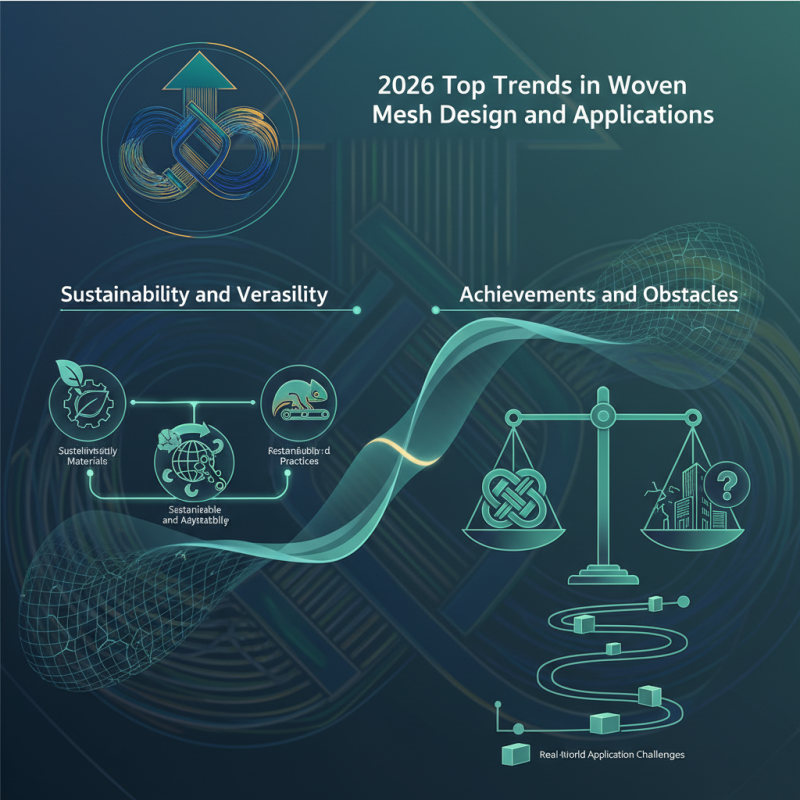
In recent years, the woven mesh industry has seen remarkable innovations. Experts like Dr. Emily Carter, a renowned specialist in woven mesh applications, believe that "the future of woven mesh is intertwined with sustainability and versatility." This statement captures the essence of the ongoing transformation in woven mesh design and applications.
As designers explore new materials and technologies, woven mesh has evolved. The integration of eco-friendly materials is becoming a norm. Companies are increasingly focusing on sustainable practices. This shift reflects a growing awareness of environmental impact.
However, challenges remain. Not every solution is perfect. Some designs may compromise strength for aesthetics. Real-world applications often reveal these shortcomings. Striking a balance between functionality and style is crucial. Thus, as we look into the top trends for 2026, it is essential to reflect on both the achievements and obstacles in woven mesh innovation.
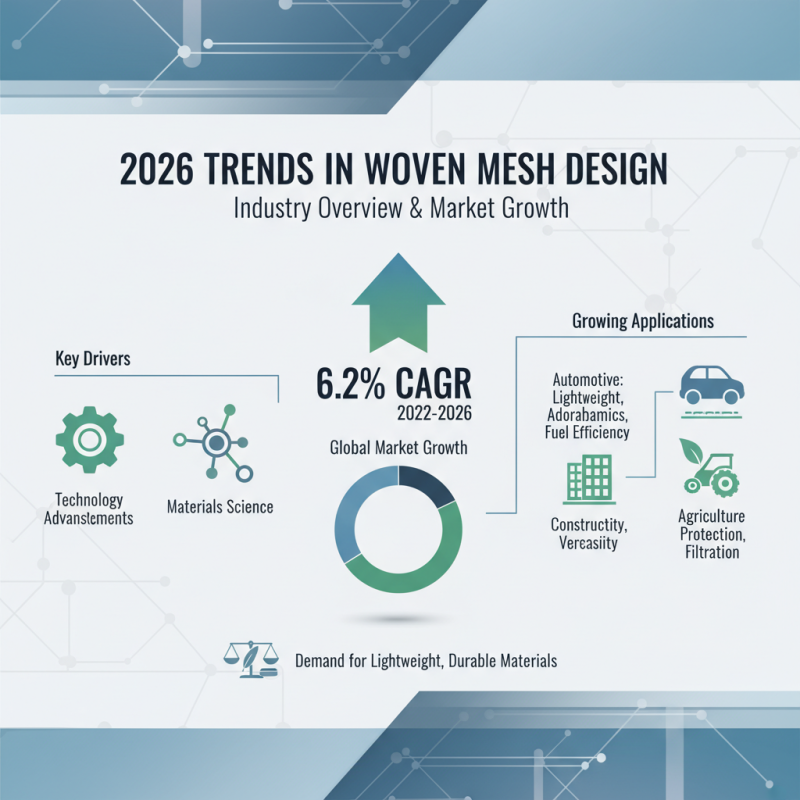
2026 Trends in Woven Mesh Design: Industry Overview and Market Growth
Woven mesh design continues to evolve, driven by advancements in technology and material science. The global market for woven mesh is projected to grow at a compound annual growth rate (CAGR) of 6.2% from 2022 to 2026. This expansion reflects increasing applications in various industries, including automotive, construction, and agriculture. The demand for lightweight yet durable materials is particularly notable in the automotive sector, where woven mesh offers improved aerodynamics and fuel efficiency.
In 2026, the emphasis will likely shift towards sustainable materials in woven mesh production. A recent report indicated that nearly 45% of companies are moving towards eco-friendly alternatives. This trend highlights a growing consciousness about environmental impact. However, the transition is not without challenges. Many manufacturers still rely on traditional materials, which may not be readily available in sustainable options.
Moreover, the design aspects of woven mesh are becoming more intricate. Customization is key, especially in architecture and interior design. Clients now seek unique patterns and functionalities, but achieving the right balance can be tricky. Aesthetic elements must not compromise structural integrity. This ongoing tension between design and practicality invites reflection on industry practices, urging a rethink of conventional approaches.
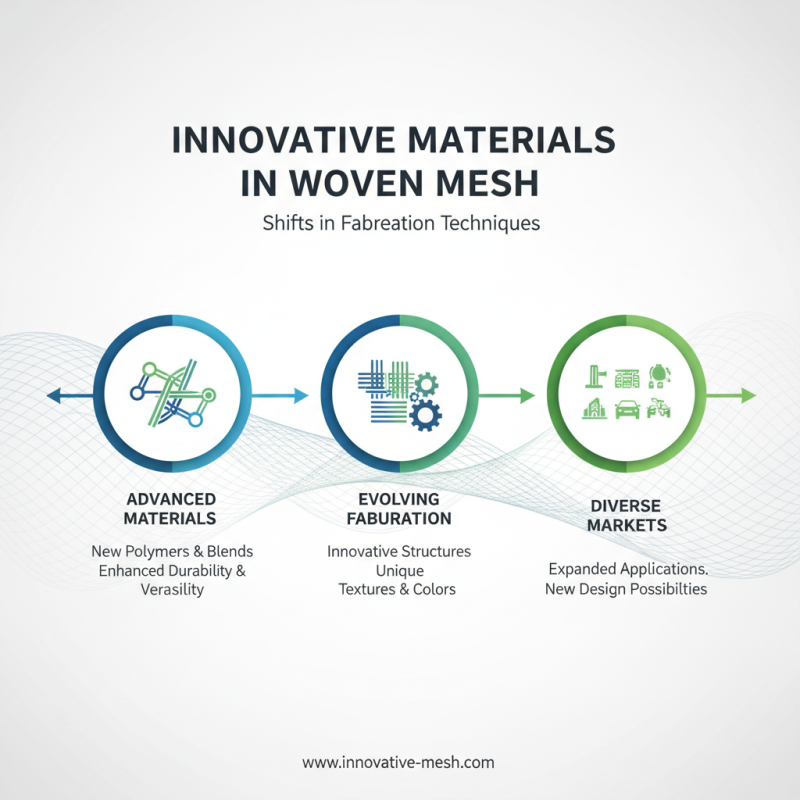
Innovative Materials in Woven Mesh: Shifts in Fabrication Techniques
The world of woven mesh design is evolving rapidly. Advanced materials are leading to notable shifts in fabrication techniques. New polymers and blends enhance the durability and versatility of woven mesh products. Designers are exploring these materials to create innovative structures and patterns. This transformation allows for unique textures and colors, attracting diverse markets.
Tips: Experiment with unconventional materials. Sometimes, the results can be surprising. Consider the application where your design will be used. Will it withstand harsh environments?
Sustainability is also becoming significant in woven mesh design. Eco-friendly materials are emerging, pushing traditional options aside. Designers must rethink how their choices impact the environment. This can be challenging but necessary. Reflect on past projects to identify where more sustainable choices could have been made.
In the future, adaptive fabrication techniques will revolutionize mesh creation. Techniques such as 3D weaving offer exciting possibilities. It may require more investment and patience. However, the potential payoff is worth it. Stay curious and open-minded about these advancements.
Sustainability in Woven Mesh: Eco-Friendly Applications and Materials
Sustainability is shaping the future of woven mesh design. Many designers are focusing on eco-friendly materials. Recycled plastics and organic fibers are trending. These materials reduce waste and lower the carbon footprint. Consumers are increasingly aware of their choices. They want products that reflect their values.
Tips: Always check the material source. Understanding the origin is crucial for sustainability. Look for certifications that guarantee eco-friendly practices.
The applications of sustainable woven mesh are diverse. It’s used in fashion, furniture, and architecture. Each has unique requirements. Designers often face challenges. Balancing sustainability with functionality can be tricky. Not all eco-friendly materials perform equally. This requires careful selection and testing.
Tips: Experiment with blends. Combining different materials may yield better performance. It's also essential to remain adaptable. Innovations in materials emerge often. Keeping an open mind can lead to better design outcomes.
2026 Trends in Woven Mesh Design: Focus on Eco-Friendly Applications
Smart Technology Integration in Woven Mesh Designs: Benefits and Challenges
The integration of smart technology into woven mesh designs is reshaping industries. This innovation brings efficiency, but it also poses challenges. Advanced sensors can enhance functionality. For example, temperature-responsive mesh can adapt to environmental changes. These developments promise improved performance.
However, not all designs turn out as expected. Some smart materials may lack durability. The balance between functionality and resilience is delicate. Data privacy and security issues must be addressed as well. Users need assurance that their information remains safe.
There’s also the question of cost. Implementing smart technology may increase expenses. Smaller enterprises may struggle to afford these upgrades. Reflecting on these challenges is essential for future progress. The path forward requires collaboration and thoughtful innovation in woven mesh technology.
Applications of Woven Mesh in Architecture and Transportation: Future Directions
Woven mesh design is evolving rapidly, particularly in architecture and transportation. Architects are increasingly using woven mesh for facades and structures. The aesthetic appeal combined with functional benefits is unmatched. For example, a woven mesh can provide shading while allowing air circulation. This balance enhances energy efficiency in buildings.
Transportation is also seeing innovative applications. Woven mesh can improve safety barriers on roads or rail systems. Lightweight and durable, it fosters better visibility while maintaining strength. As we push towards sustainability, this material offers recyclable options that challenge traditional solutions.
However, challenges remain. Some designs have raised concerns about durability in extreme weather. Others question the long-term maintenance of woven mesh in urban areas. Implementing these materials requires careful consideration of local conditions. The future holds promise, but we must learn from past experiences to ensure success.