Top 10 Benefits of Using Oven Mesh Belt in Industrial Baking Applications?
In the competitive world of industrial baking, efficiency is key. One way to enhance productivity is through the use of an Oven Mesh Belt. This innovative tool offers various advantages that can significantly impact baking processes.
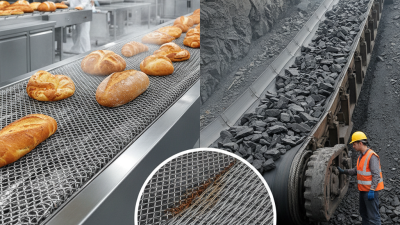
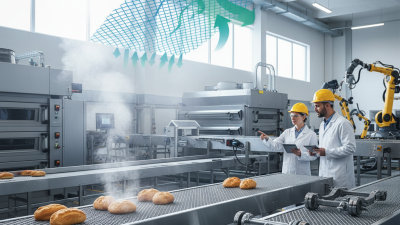
Oven Mesh Belts provide superior airflow around products. This allows for even heat distribution, resulting in perfectly baked goods. Moreover, the mesh construction facilitates quick cooling, a critical aspect in many baking operations. Many industrial bakeries struggle with maintaining consistent temperatures. That's where an Oven Mesh Belt shines.
However, it is important to consider the limitations as well. Not every baking application may benefit equally from this technology. Users might need to adjust settings or configurations. Taking the time to assess specific needs is vital. By exploring the advantages and potential challenges of using an Oven Mesh Belt, businesses can better position themselves for success.
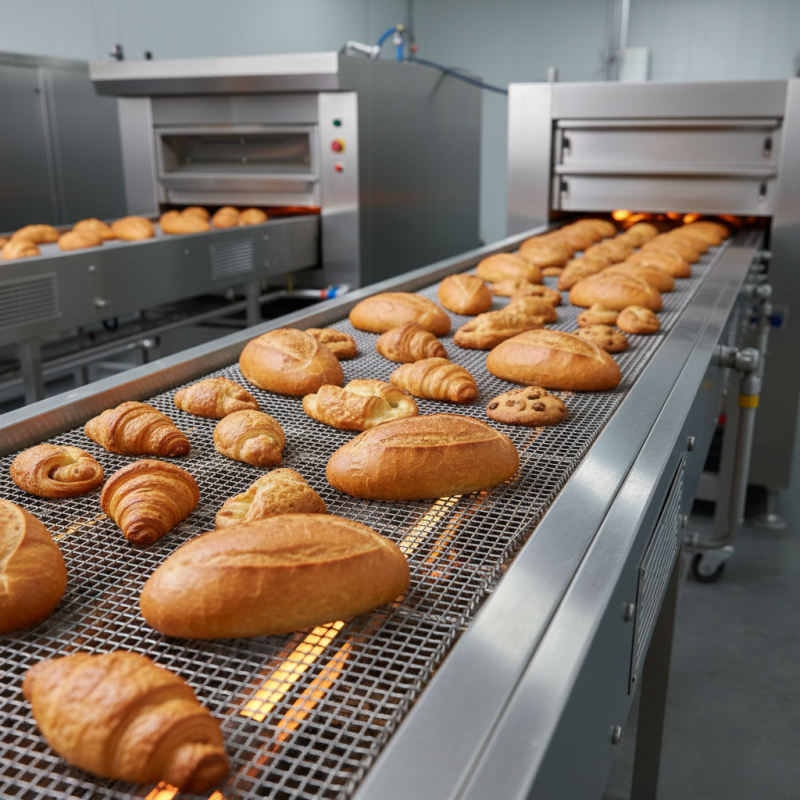
Benefits of Enhanced Heat Distribution in Oven Mesh Belts
In industrial baking, enhanced heat distribution is crucial. Oven mesh belts play a vital role in achieving this. A study by the American Society of Baking found that even heat distribution improves baking uniformity by up to 25%. This reduction in hot and cold spots can dramatically affect product quality. Inconsistent heat can lead to burnt edges or undercooked centers, impacting customer satisfaction.
Moreover, modern oven mesh belts are designed with materials that promote better airflow. Enhanced airflow further aids in maintaining a consistent temperature throughout the baking chamber. Reports indicate that using these belts can decrease baking times by 15%. This not only increases output but also improves energy efficiency. Less energy use translates to cost savings for bakery operations.
However, not all ovens are optimized for these belts. Some facilities face challenges during installation. Adjustments to existing equipment may require additional investment. This initial setup might cause delays in production timelines. It’s essential for businesses to carefully evaluate their systems to harness these efficiency benefits. Balancing investment and output is key in maximizing the advantages of oven mesh belts.
Improved Product Quality Through Consistent Baking Results
Oven mesh belts are becoming essential in industrial baking applications. These belts enhance product quality by providing even heat distribution. As a result, baked goods achieve consistent browning and texture. Without uniform heating, some products may burn while others remain undercooked. This inconsistency can frustrate bakers and affect customer satisfaction.
The design of oven mesh belts allows for optimal airflow around the products. This is crucial for even baking, especially for items like bread and pastries. However, not all belts perform the same. Some may wear down quickly or require frequent adjustments. These issues can lead to downtime in production. It’s important to choose a reliable mesh belt that meets specific baking needs.
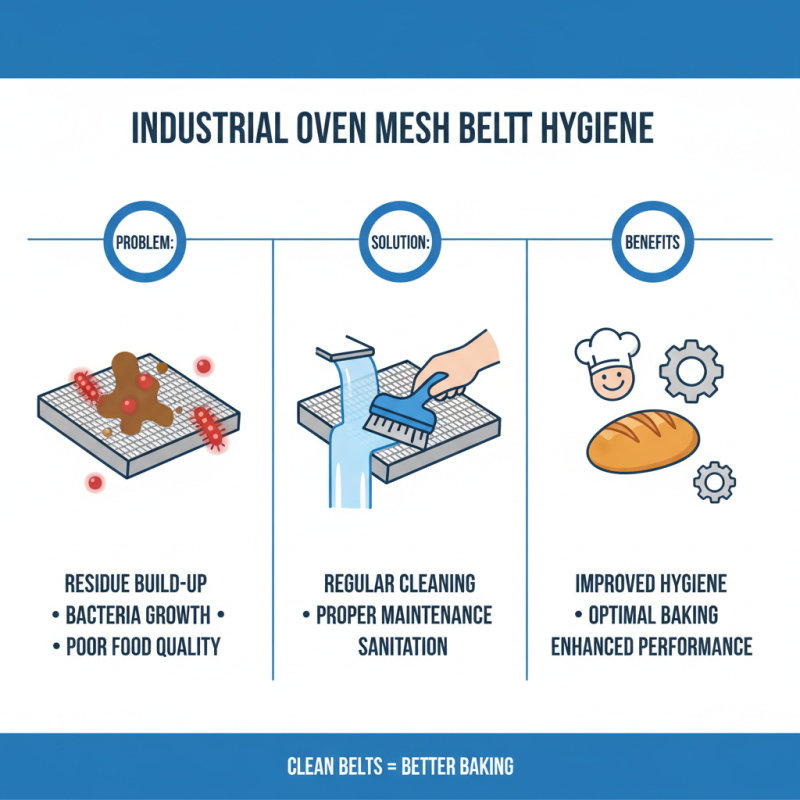
While oven mesh belts offer many advantages, challenges remain. Maintenance can be labor-intensive, and cleaning the belts thoroughly is vital for food safety. If not monitored closely, residue can build up. This may affect the quality of baked products. Periodic inspection and proactive management are necessary to keep production running smoothly.
Increased Production Efficiency with High Durability Mesh Belts
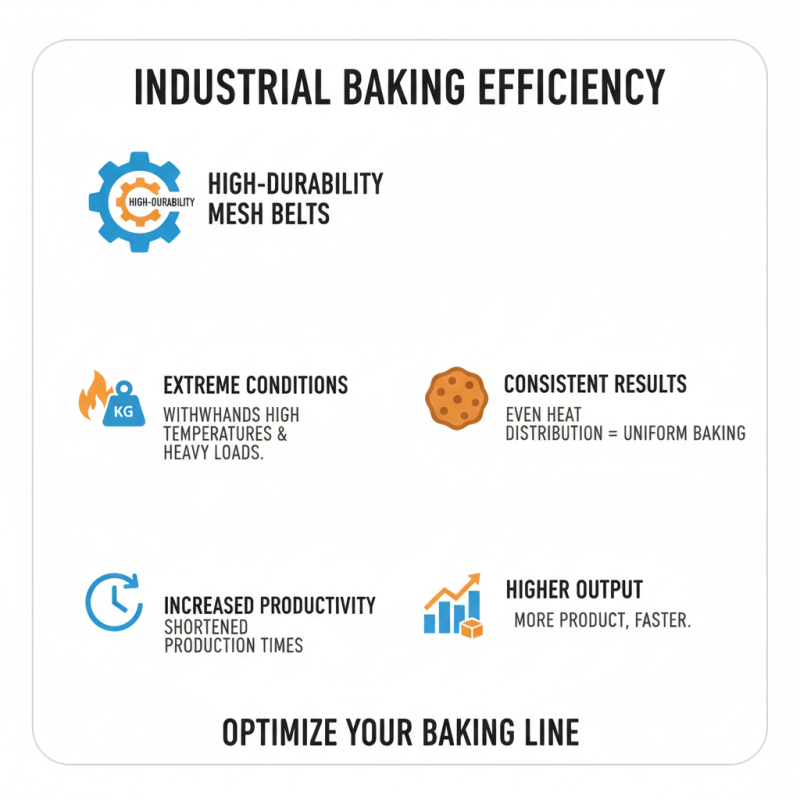
In industrial baking, efficiency is critical. High durability mesh belts offer significant advantages. They withstand extreme temperatures and heavy loads, ensuring consistent baking results. These belts evenly distribute heat, promoting uniform baking across products. As a result, production times shorten, and output increases.
Tips: Regular maintenance of mesh belts can prolong their lifespan. Inspect for wear and tear frequently. Keep the surface clean to avoid stickiness. Training staff on handling techniques can prevent unnecessary damage.
Another aspect to consider is the adaptability of mesh belts. Different thicknesses and mesh sizes allow customization for various baking applications. This flexibility is beneficial for bakeries with diverse product lines. However, choosing the wrong belt can lead to inefficiencies. It's essential to evaluate the specific needs of the operation to make the best choice.
Reduction of Energy Consumption and Operational Costs
In industrial baking, energy efficiency is crucial. Using oven mesh belts can significantly reduce energy consumption. These belts distribute heat evenly, minimizing hot and cold spots. This leads to more consistent baking results and lower energy costs. Additionally, uniform heat distribution shortens baking times. Less time in the oven means more energy savings.
Consider the operational aspects as well. Switching to oven mesh belts often leads to lower maintenance costs. These belts are durable and require less frequent replacement than traditional methods. This results in less downtime for bakeries. However, some users report challenges with initial setup. Training staff to adapt to a new system can take time.
Tips: Regularly inspect the mesh belts for any wear. Keeping them clean can further enhance efficiency. Also, monitor temperature settings to ensure they align with product needs. Adjusting oven parameters may be necessary when changing baking methods. Make it a point to gather feedback from your team to optimize the process.
Top 10 Benefits of Using Oven Mesh Belt in Industrial Baking Applications