How to Choose the Right Mesh Belt for Your Industrial Needs?
Choosing the right mesh belt for your industrial needs can be challenging. Every application requires specific features and characteristics. The types of materials, the environment, and the intended use all matter.
Mesh belts come in various designs. They can handle different weights, temperatures, and processes. Finding the right one involves knowing your requirements. A poorly chosen mesh belt may lead to operational issues, such as frequent breakdowns or inefficiencies.
Consider factors like mesh size, material composition, and the environment. Each choice affects performance and durability. Think about the long-term impact of your selection. Investing time in this decision may save you from costly mistakes later on.
Understanding the Different Types of Mesh Belts Available in the Market
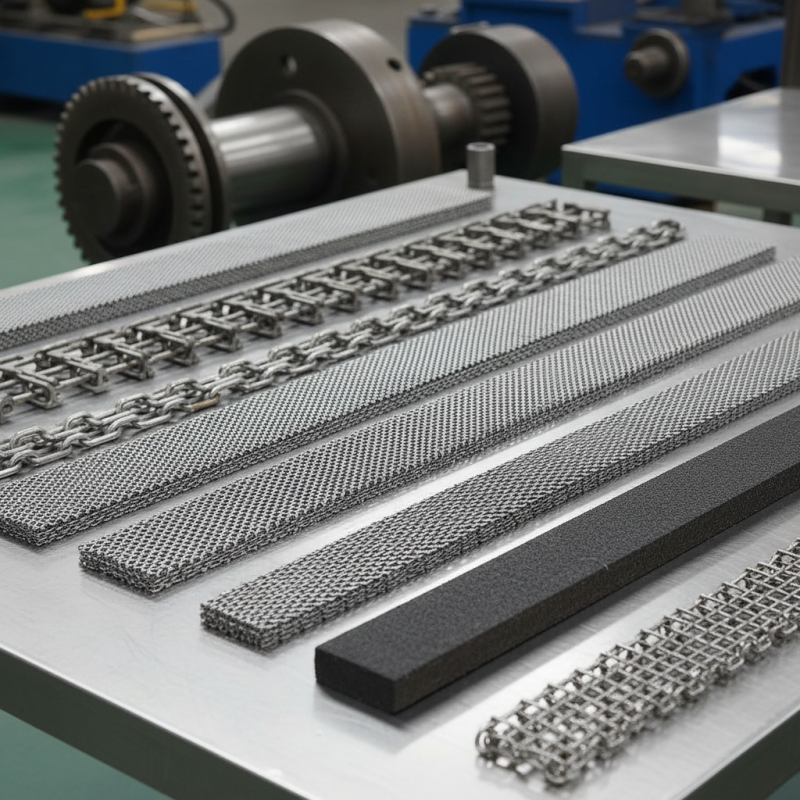
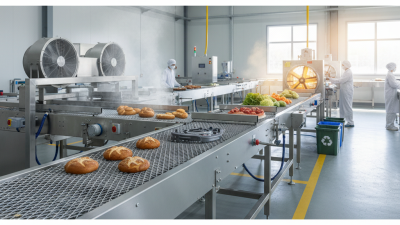
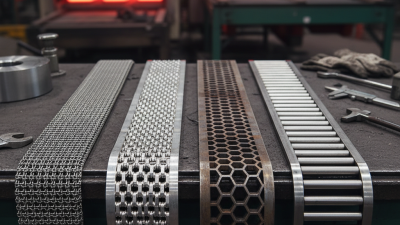
When choosing a mesh belt for industrial needs, understanding the available types is essential. There are several varieties, each designed for specific applications. For example, metal mesh belts are popular in the food processing industry. According to a recent market report, the metal mesh belts segment is projected to grow by 7% annually, driven by increasing hygiene standards.
Plastic mesh belts are another option. They are known for their flexibility and resistance to chemicals. Ideal for bottling or packaging processes, these belts provide efficient performance, but durability can be an issue. Businesses must weigh the pros and cons of materials and application suitability.
**Tip:** Always consider the operating temperature. A belt that works well at room temperature may warp in high heat or freeze in cold settings.
Difficulty arises when selecting the right mesh thickness. Thicker belts may offer durability but can decrease efficiency in certain applications. Striking a balance is often challenging. Consult industry reports or specialists before making a choice.
**Tip:** Conduct trials with different belt types in your operations. Real-world testing can reveal unforeseen issues.
Factors to Consider When Selecting a Mesh Belt for Industrial Applications
Choosing the right mesh belt for industrial applications involves several critical factors. Weight capacity is essential. Reports show that mesh belts can support loads ranging from 50 to 1,000 pounds per linear foot, depending on their design. Consider the specific weight of your materials. A heavy item may require a more robust mesh belt.
Material and construction play vital roles as well. Stainless steel is popular for its durability and resistance to corrosion. In contrast, plastic mesh belts are lighter and easier to clean. Different materials can affect belt longevity and maintenance needs. The choice also impacts energy efficiency. Belts can range from 0.2 to 0.5 kWh in energy consumption per hour, depending on friction and construction.
You should also evaluate mesh size and spacing. A too-wide mesh may let small items fall through. Conversely, a tight mesh can restrict airflow. It’s important to balance these aspects based on the items being transported. Consider the environment. Intense heat or chemicals can degrade certain materials. Reflect on these factors carefully before making a decision. Each application may highlight unique challenges and requirements.
Factors to Consider When Selecting a Mesh Belt for Industrial Applications
Evaluating Performance Characteristics of Mesh Belts for Your Needs
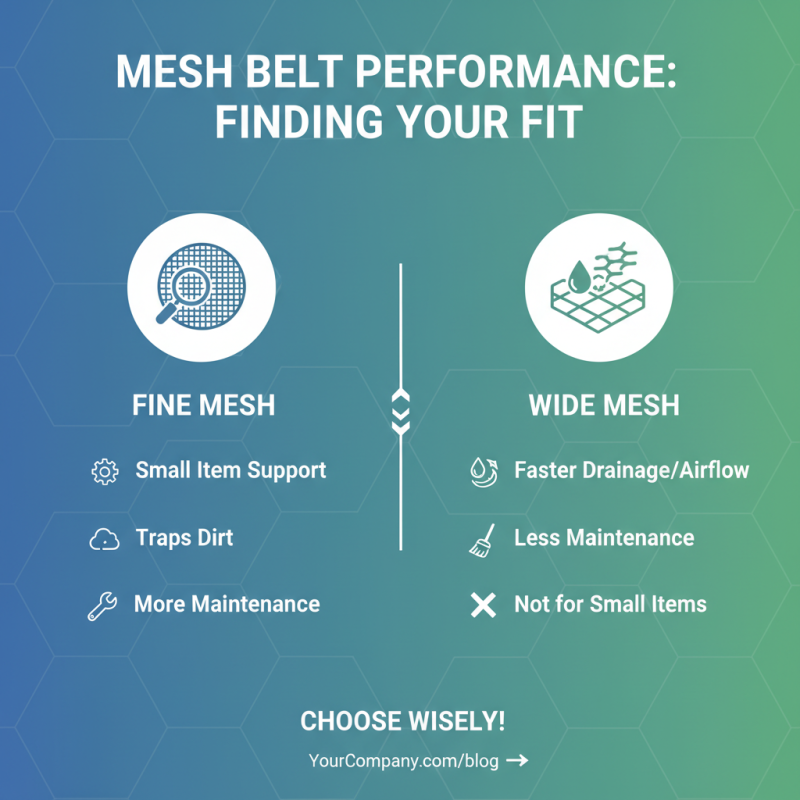
When selecting the right mesh belt, understanding performance characteristics is crucial. Mesh belts differ in materials, mesh size, and design. For instance, a finer mesh can provide better support for small items. However, they might trap dirt and require more maintenance. On the other hand, wider meshes allow for faster drainage and air circulation but may not support smaller components effectively.
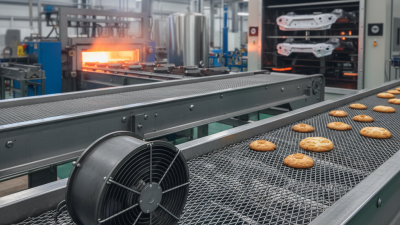
Temperature resistance is another important factor. Some belts withstand high temperatures, which is vital for food processing or metalworks. Others may not handle heat well and can warp or degrade. Additionally, consider the load capacity. If the belt cannot support the intended weight, it will fail prematurely. Many users overlook these aspects, leading to costly replacements.
Lastly, it’s essential to consider the manufacturing process. Custom features may enhance performance but can increase costs. Assessing your operational needs against the belt’s specifications can prevent misalignment. Understanding the balance between costs and performance is key. Testing the belt in your environment can yield insights that specifications alone may not provide.
Analyzing Material Compatibility and Durability of Mesh Belts
When selecting a mesh belt, material compatibility is crucial. Different applications require unique materials. For example, stainless steel is robust in high-temperature settings. Yet, plastic mesh belts often offer better chemical resistance. According to industry reports, around 40% of production failures occur due to improper material selection. This highlights the importance of matching the belt material to the specific industrial process.
Durability is also a significant factor. Mesh belts undergo continuous wear and tear. A belt manufactured from inferior materials will fail sooner, leading to costly downtimes. Research indicates that high-quality belts can last up to five years with proper maintenance. However, many companies overlook regular inspections. Ignoring this can lead to unpredicted replacements and operational hiccups. The choice of weave also impacts strength. A tighter weave can enhance load-bearing capacity but may reduce flexibility. Companies must consider the balance between these factors carefully.
How to Choose the Right Mesh Belt for Your Industrial Needs? - Analyzing Material Compatibility and Durability of Mesh Belts
| Material |
Compatibility |
Temperature Range (°C) |
Durability Rating (1-10) |
Common Applications |
| Stainless Steel |
Food Processing, Pharmaceutical |
-20 to 600 |
9 |
Baking, Drying |
| Polyester |
Textiles, Packaging |
-10 to 120 |
7 |
Printing, Textile Handling |
| Nylon |
General Manufacturing, Automotive |
-30 to 100 |
8 |
Conveyor Systems, Packaged Goods |
| PVC |
Food Contact, Electronics |
0 to 70 |
6 |
Packaging, Electronics Assembly |
| Fiberglass |
High-Temperature Applications |
-50 to 600 |
10 |
Heat Treating, Soldering |
Cost vs. Quality: Making an Informed Decision on Mesh Belt Purchases
When choosing a mesh belt for industrial applications,
cost and quality are crucial factors. The price of a mesh belt can vary significantly.
You might find cheaper options that seem attractive. However, lower prices often come with compromises.
These belts may wear out faster or lack durability. This leads to increased maintenance costs over time.
Investing in a high-quality mesh belt can save money in the long run.
A well-made belt can withstand harsh conditions and heavy loads. It’s important to assess the materials used in manufacturing.
Look for belts that resist corrosion and abrasion.
Thin or poorly constructed belts will likely fail under stress. Although they might seem affordable,
the potential downtime may cost more.
Consider your specific operational needs. Will the belt be exposed to extreme temperatures?
If needed, prioritize belts designed for such conditions. It's also essential to factor in the amount of use.
Intensive operations require robust belts, while less demanding applications
may permit lighter options. Balancing price with these specifications is key.
Your choice can impact productivity and overall efficiency.