How to Choose the Best Oven Mesh Belt for Your Needs?
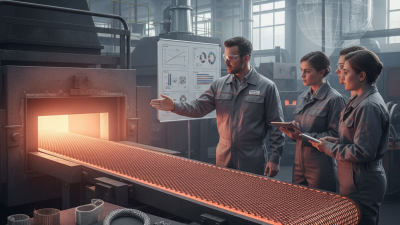
Choosing the right Oven Mesh Belt for your industrial needs can greatly influence productivity and efficiency. Data from the Industrial Heating Equipment Association shows that improper belt selection can lead to increased maintenance costs and downtime. In the food industry, for instance, up to 30% of production delays are linked to equipment failures.
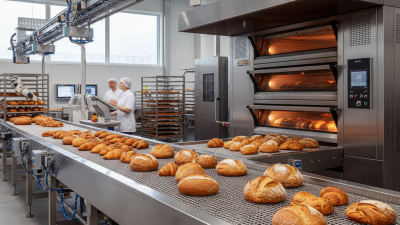
Oven Mesh Belts are essential for various applications, including baking, roasting, and drying. They provide optimal heat circulation and are designed to withstand high temperatures. However, selecting the best mesh belt requires careful consideration of factors such as material, mesh size, and load capacity. Overlooked details can hinder performance.
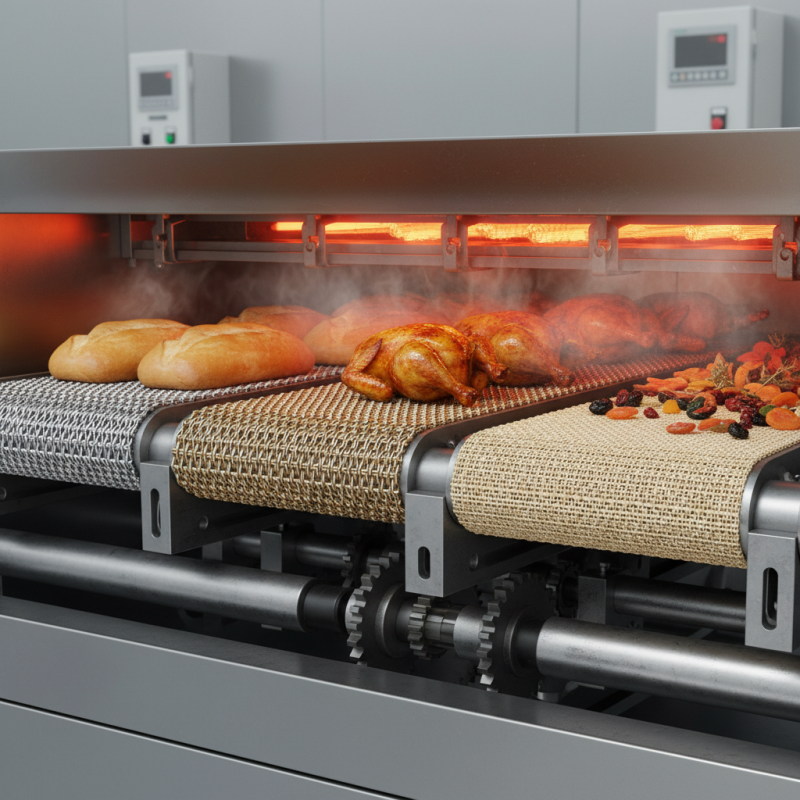
Industry reports highlight that different materials offer varying benefits. For example, stainless steel mesh belts are known for their durability, while fiberglass options provide lightweight flexibility. A misstep in choosing the right type can affect thermal efficiency and product quality. It’s crucial to reflect on your specific requirements and industry standards before making a decision.
Understanding Different Types of Oven Mesh Belts Available in the Market
When selecting an oven mesh belt, understanding the various types available is essential for making an informed choice. There are several materials to consider.
Stainless steel belts are strong and can handle high temperatures. They resist corrosion, making them ideal for food processing.
On the other hand, synthetic belts are lightweight and may be more cost-effective. They are useful in less demanding situations but may not withstand extreme heat.
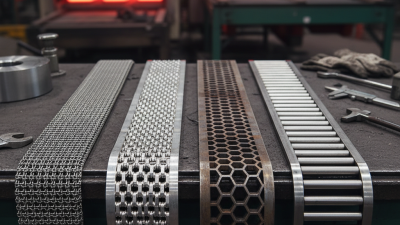
Additionally, the mesh size is crucial. A finer mesh can provide better support for smaller items but might offer less airflow. A larger mesh allows greater air circulation but may not support delicate products as well. The choice of mesh size depends largely on what you will be cooking or baking. If you're unsure, it's wise to consult with experts who have real-world experience in different baking conditions.
Also, consider the belt's design and maintenance needs. Some belts require regular cleaning, while others are easier to maintain. Reflect on your specific operations and the types of foods you prepare. It can often be hard to strike the right balance between durability and ease of use. Taking the time to weigh these factors will lead to a more suitable oven mesh belt for your cooking needs.
Key Factors to Consider When Choosing an Oven Mesh Belt
When selecting an oven mesh belt, several crucial factors play a role in your decision-making. The material of the belt is a primary consideration. Options include stainless steel, fiberglass, and other compounds. A 2023 industry report indicates that stainless steel belts offer excellent durability and corrosion resistance, making them ideal for high-temperature applications. In contrast, fiberglass belts are more suitable for heat-sensitive products but may wear out faster.
Mesh size is another vital aspect to consider. Smaller openings provide better support for delicate items. However, larger openings allow for improved airflow, which is essential for even cooking. According to the same report, a 1/4 inch mesh size optimizes both airflow and product stability in most industrial applications.
Finally, the belt’s design should align with your production line's needs. Flat belts may be ideal for certain processes, while those with sidewalls help prevent product spillage. The choice of execution matters—material fatigue and improper fit can lead to significant downtime. Always factor in your specific operational circumstances, as one size does not fit all in oven mesh belts. Reviewing your options carefully will lead to a better fit for your production requirements.
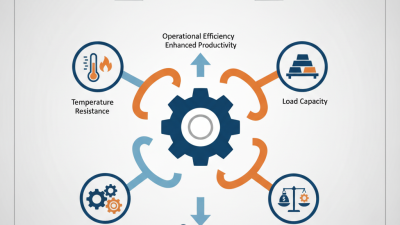
How to Choose the Best Oven Mesh Belt for Your Needs? - Key Factors to Consider When Choosing an Oven Mesh Belt
| Factor |
Description |
Importance |
| Material |
Consider the type of material that suits your application's temperature and chemical exposure. |
High |
| Mesh Size |
The size of the mesh affects airflow and cooking efficiency. |
Medium |
| Belt Width |
Width should match the oven specifications and product dimensions. |
High |
| Temperature Resistance |
Ensure the belt can withstand the operating temperatures. |
High |
| Load Capacity |
Determine the maximum weight the belt can handle without failure. |
Medium |
| Ease of Cleaning |
Consider how easy it is to clean the belt to maintain hygiene. |
Medium |
| Durability |
Evaluate the lifespan and wear resistance of the mesh belt. |
High |
| Cost |
Balance the price with the desired quality and performance features. |
Medium |
Assessing the Material and Durability of Oven Mesh Belts
Choosing the right material for oven mesh belts is crucial. A study by the Food Processing Suppliers Association highlights that durability affects production efficiency. For example, stainless steel and high-performance polymers are common choices. They offer resistance to heat and chemicals, essential for various baking temperatures.
Material thickness plays a significant role in durability. Thicker belts can withstand heavier loads but may be less flexible. Conversely, thinner belts might be more adaptable but can wear out faster. Industry reports suggest that belts with a thickness ranging from 0.25 to 0.5 inches are optimal for balancing durability and flexibility.
Moreover, ventilation is often overlooked. A good mesh design allows for improved airflow. This enhances even cooking by minimizing hotspots. However, not all mesh patterns are equal. Some may restrict airflow, affecting the baking process. Evaluating these factors is necessary for long-term efficiency and performance.
Evaluating Size and Design Specifications for Optimal Performance
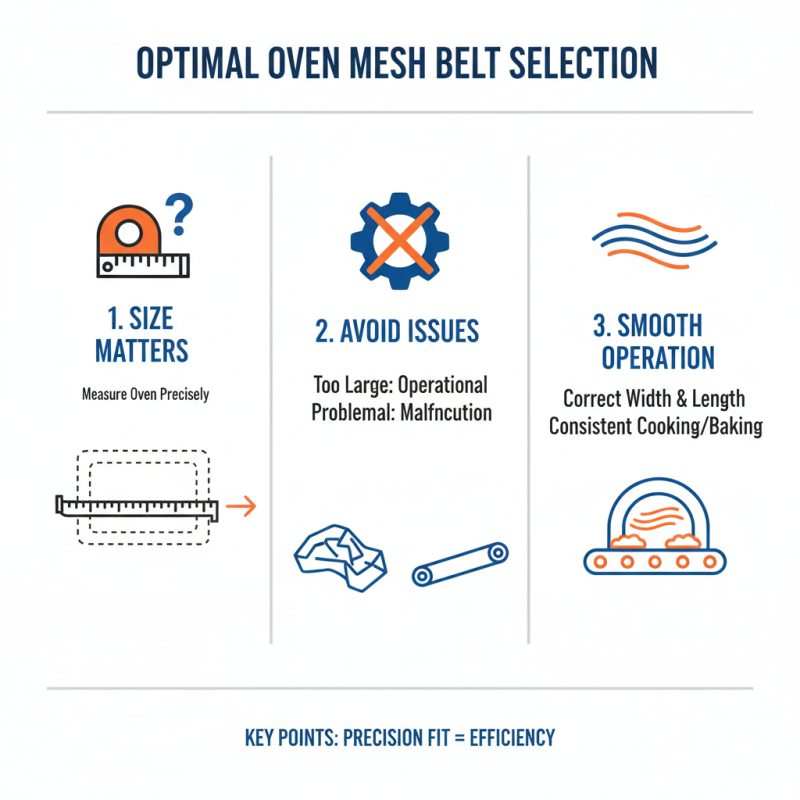
When selecting the right oven mesh belt, size and design specifications are crucial. The dimensions must fit your oven precisely. A belt that is too large can create operational issues, while an undersized one may lead to malfunction. Measure your oven's internal dimensions carefully. The belt must have an appropriate width and length to allow for smooth movement during cooking or baking.
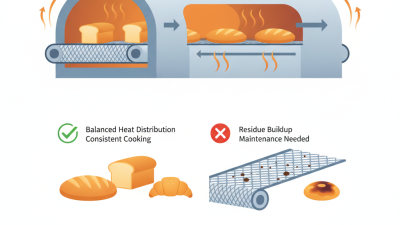
Design choices impact the belt’s performance. The material can influence durability and heat resistance. A mesh belt with the right weave pattern allows for better airflow and even heat distribution. This is essential for achieving consistent cooking results. Inspect the mesh design for drainage efficiency as well. A well-designed belt can help minimize residue buildup, but it needs to be easy to clean. Regular maintenance will depend on how the design allows for accessibility.
Consideration of these factors is not always straightforward. Some users might prioritize material over size, leading to issues during operation. It’s important to balance these specifications. Also, reflect on any previous experiences. Learning from past mistakes can guide better decisions in choosing a suitable oven mesh belt.
Cost vs. Efficiency: Finding the Best Value in Oven Mesh Belts
When selecting an oven mesh belt, the balance between cost and efficiency is crucial. Industry reports indicate that around 30% of production costs can be attributed to conveyor systems. Thus, choosing the right mesh belt can significantly impact overall expenditures. While cheaper options may seem attractive, they often lead to higher operational costs due to frequent replacements and reduced efficiency.
Efficiency is measured by how well the oven mesh belt performs under specific conditions. A study in the Journal of Manufacturing Science showed that inefficient belts could increase energy consumption by up to 40%. This means that investing slightly more upfront can lead to substantial savings over time. Efficient belts reduce bake times and enhance product quality, yielding better performance.
Conversely, some businesses fall into the trap of prioritizing low prices over durability. Although a lower initial investment seems beneficial, the risk of breakdowns and increased maintenance costs is higher. Many manufacturers have realized that the longevity of their conveyor systems directly correlates with their production capabilities. Hence, evaluating both financial and operational impacts is crucial for making an informed decision.