How to Choose the Right Furnace Mesh Belt for Your Industrial Needs?
Choosing the right Furnace Mesh Belt is crucial for various industrial applications. According to John Smith, an expert in industrial manufacturing, “The right mesh belt optimizes efficiency and product quality.” With numerous options available, making a choice can feel overwhelming.
Quality, material, and design are essential factors. A wrong selection can lead to operational inefficiencies. For instance, a belt with inadequate thermal resistance could fail during high-temperature processes. Clarity in requirements is vital.
Exploring suppliers at events like the Canton Fair can streamline this process. AI tools help find qualified manufacturers quickly. Still, it's important to ask the right questions and verify certifications. Reflecting on past choices can reveal better options. Selecting the ideal Furnace Mesh Belt requires careful consideration and expert insights.
Understanding Furnace Mesh Belt Types and Specifications
When selecting a furnace mesh belt, understanding the types and specifications is crucial. There are several categories available. Common types include stainless steel, carbon steel, and specialty alloys. Each material offers different benefits based on the processing environment. For instance, stainless steel provides excellent corrosion resistance, while carbon steel is more cost-effective for high-temperature applications.
Specifications such as belt width, thickness, and weave pattern greatly affect performance. A recent industry report indicates that over 70% of production efficiency comes from proper belt selection. A wrong choice can lead to malfunctions. For example, using a belt with too tight a weave can reduce airflow, impacting cooling rates.
Temperature limits are another consideration. Many belts can withstand temperatures up to 1,500°F. However, durability may decrease over time. Regular maintenance should be factored into operational costs. As manufacturers push for higher efficiency, the choice of mesh belt can significantly influence overall productivity. Balancing cost with specific needs is an ongoing challenge.
How to Choose the Right Furnace Mesh Belt for Your Industrial Needs?
| Belt Type |
Material |
Temperature Range (°F) |
Load Capacity (lbs/ft²) |
Recommended Applications |
| Flat Wire |
Stainless Steel |
500 - 1500 |
50 |
Baking and drying ovens |
| Balance Mesh |
Carbon Steel |
300 - 1200 |
60 |
Heat treating, annealing |
| Hexagonal Mesh |
Alloy Steel |
400 - 1300 |
70 |
Metal fabrication processes |
| Solid Belts |
Polymer |
200 - 750 |
40 |
Food processing and packaging |
Key Factors to Consider When Selecting a Furnace Mesh Belt
When selecting a furnace mesh belt, several key factors come into play. Material type is crucial. Consider whether stainless steel, carbon steel, or another alloy suits your application best. Each material has different heat resistance and durability features. The temperature range and load capacity also must align with your operational requirements.
Tip: Ensure the mesh can handle your specific thermal conditions. An unsuitable choice can lead to premature wear or failure.
Belt width and length are also vital. Custom sizes might be necessary for some setups. This ensures proper fit and function within your equipment. Additionally, pay attention to the weave pattern. Different weaves can influence airflow and thermal efficiency.
Tip: Take measurements carefully. A minor error in size can affect your entire operation.
Another aspect to reflect on is the belt's maintenance requirements. Some belts are easier to clean and maintain than others. Regular upkeep can extend the life of your belt. Consider how often you’ll perform maintenance before making a decision.
Tip: Don’t underestimate the long-term costs of maintenance. Choose a belt that fits your upkeep capabilities.
Material Compatibility: Choosing the Right Mesh for Your Industry
When selecting a furnace mesh belt, material compatibility is crucial. The right mesh choice directly affects production efficiency and product quality. Different industries have unique requirements. For example, food processing demands non-toxic, corrosion-resistant materials. In contrast, the metallurgy sector might prefer heat-resistant metals.
Considering the specifics of your processes can be challenging. Some materials might seem ideal but fail under high temperatures. A sudden warp can lead to downtime. It’s vital to conduct thorough research, testing various mesh options. Pay attention to how well the materials withstand intense environments.
Remember, not all options will align perfectly with your needs. Sometimes, compromises are necessary. Choosing a belt made from a less durable material might seem cost-effective initially. However, over time, this can lead to higher maintenance costs. Balancing durability and cost requires careful thought and an understanding of your operational needs.
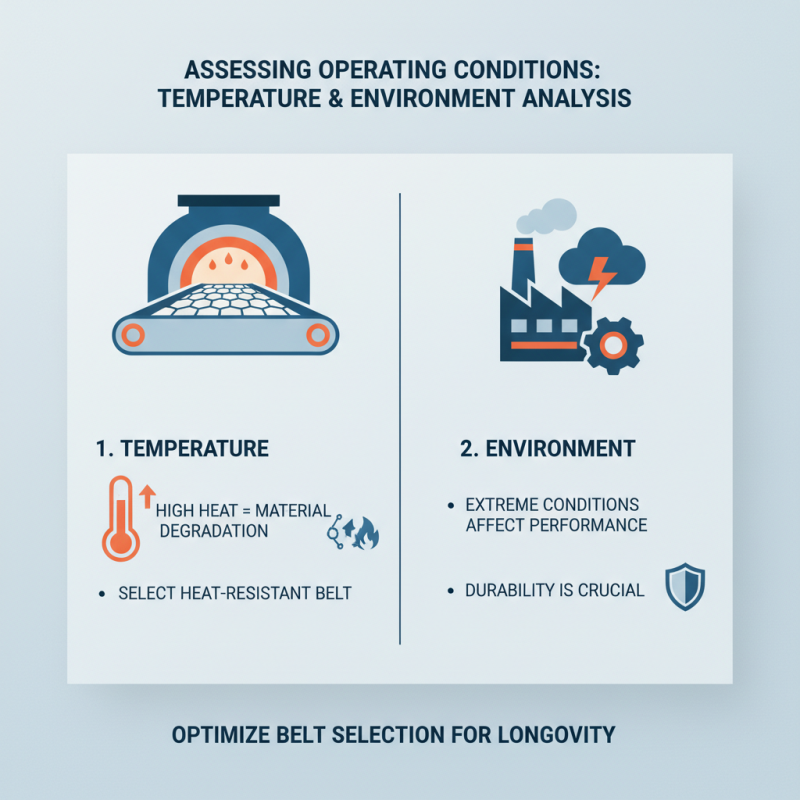
Assessing Operating Conditions: Temperature and Environment Analysis
When selecting a furnace mesh belt for industrial applications, evaluating the operating conditions is crucial. Temperature plays a significant role in belt performance. High temperatures may cause certain materials to degrade faster. If your furnace operates at extreme heat, ensure the belt can withstand that environment.
The surrounding environment also matters. Dust, humidity, and chemicals can all impact the longevity of a mesh belt. Some materials resist corrosion better than others. If your setup has high humidity, consider belts designed for such conditions.
**Tip:** Always prioritize materials that match your specific environment. It can save time and costs in the long run.
Certain options may seem appealing, but they might not endure prolonged exposure. It’s essential to analyze how different factors influence wear and tear. Sometimes, it's practical to experiment with various options to find the ideal fit.
**Tip:** Regularly inspect your belt for signs of wear. Early detection prevents significant downtime. Keep a close eye on how temperature fluctuations impact performance. Each furnace setup is unique, and adjustments may be necessary over time.
Maintenance Considerations for Long-lasting Furnace Mesh Belts
When it comes to furnace mesh belts, maintenance is crucial for longevity and performance. A study by the Industrial Belt Association notes that improper upkeep can lead to a 30% increase in operational costs. Regular inspections and cleaning should be part of the routine. Dust and debris accumulation can cause wear and tear. This might lead to unexpected downtime.
Lubrication is vital but must be done correctly. Too much can attract dirt, making things worse. A balance is essential, and industry experts recommend using specific lubricants. In 2022, reports indicated that 25% of furnace belt failures resulted from incorrect lubrication practices. Operators should also pay attention to tension adjustments. An overly tight belt can contribute to premature failure.
Investing in quality standards helps maintain performance. Using belts with higher tolerance levels reduces the need for frequent replacements. However, even the best belts require mindful care. Tracking usage metrics can identify patterns of wear. Relying solely on manufacturer guidelines might overlook real-world conditions. Hence, experience and observation play key roles in effective maintenance.