How to Choose the Right Steel Wire Mesh for Your Project?
Choosing the right Steel Wire Mesh is crucial for the success of any construction or manufacturing project. According to the Global Steel Wire Market Report, the demand for steel wire mesh is projected to grow by 5.7% annually through 2025. This growth reflects its significance in various applications, including construction, landscaping, and industrial uses. The choice of Steel Wire Mesh can directly impact the durability and safety of structures.
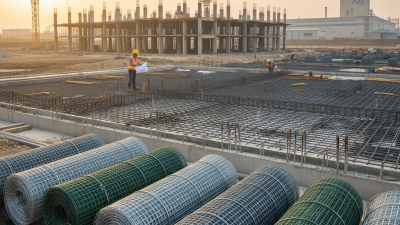
Understanding the specifications of Steel Wire Mesh is essential. It comes in various types, sizes, and coatings, each designed for specific uses. For instance, welded wire mesh is often favored for its strength and uniformity, while rolled wire mesh is versatile for fencing and concrete reinforcement. Factors such as wire diameter, mesh opening size, and corrosion resistance should be carefully evaluated. A poor selection can lead to increased costs and project delays.
Reliable suppliers emphasize the importance of quality standards. However, not all products meet these standards. Before making a decision, consider certifications and compliance with industry regulations. Reflect on past experiences with Steel Wire Mesh choices; mistakes can offer valuable lessons. By thoroughly researching and understanding your project requirements, you can choose the most suitable Steel Wire Mesh for optimal results.
Types of Steel Wire Mesh and Their Applications
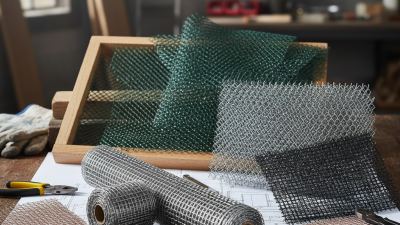
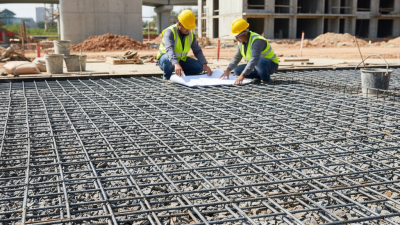
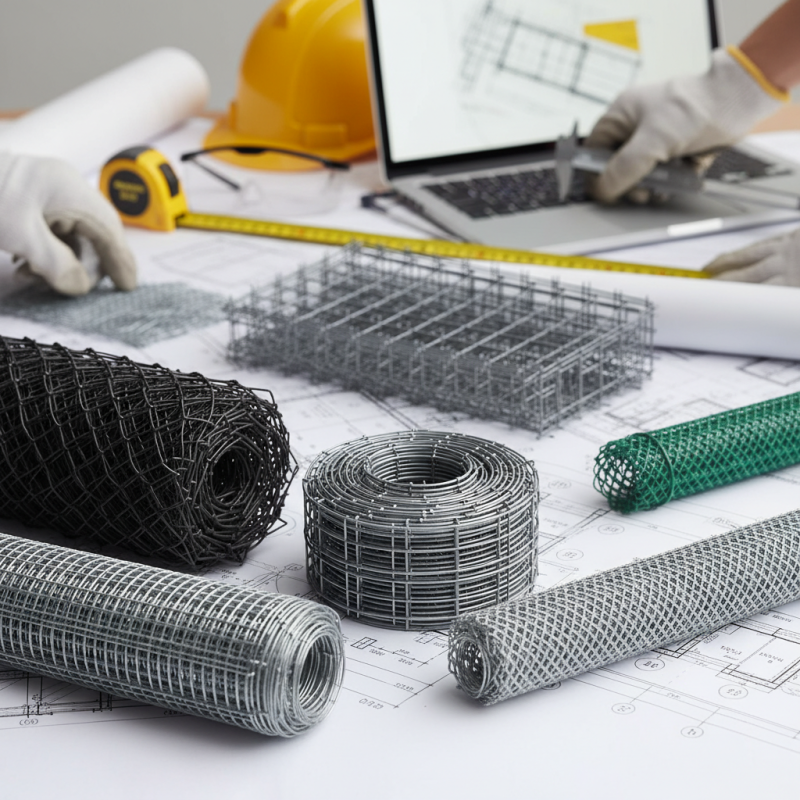
When selecting steel wire mesh, understanding its types and applications is crucial. Various mesh types serve different needs. For instance, welded wire mesh is commonly used in construction. It provides structural support and reinforcement. It is reliable and easy to install. On the other hand, woven wire mesh offers flexibility. It is often used for filtration purposes. Its versatility makes it ideal for diverse projects.
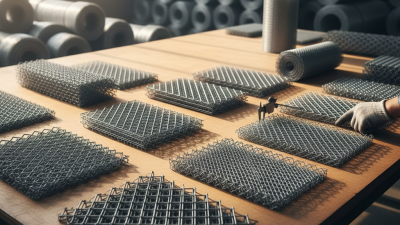
Another type is expanded metal mesh, which is perfect for security applications. It allows airflow while maintaining strength. This mesh is often used in fences and screens. Additionally, hexagonal wire mesh has unique uses in agriculture. It protects crops by containing livestock. The choice of mesh can impact project outcomes. Meshing techniques, like weaving, affect durability and aesthetics.
Many projects overlook the importance of consulting professionals. Relying on expertise can significantly enhance material selection. Mesh specifications can be confusing and nuanced. Understanding these details can prevent costly mistakes. Reflecting on project requirements early will streamline the selection process.
Key Factors to Consider When Selecting Steel Wire Mesh
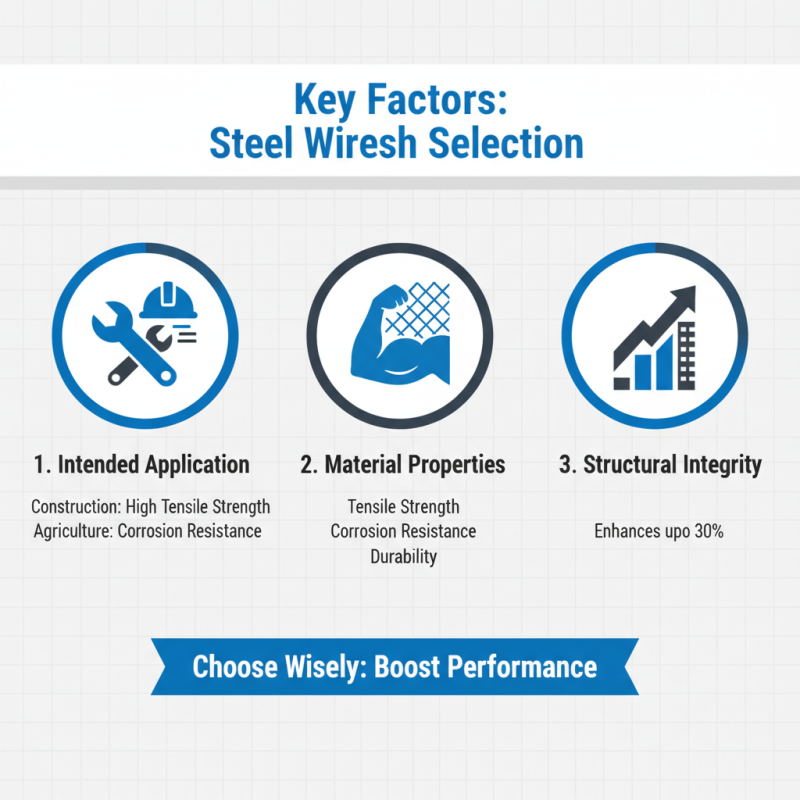
When selecting steel wire mesh, several factors must be examined closely. The intended application is critical. For example, construction projects often require high tensile strength, while agricultural uses might prioritize corrosion resistance. According to industry reports, a well-chosen mesh can increase structural integrity by up to 30%. This highlights the importance of appropriate material selection.
Another factor is the mesh size. Larger openings may allow for better drainage but might not support smaller aggregate materials effectively. On the other hand, fine meshes can inhibit water flow if not properly installed. Research indicates that improper mesh selection can lead to project failures, costing an average of $15,000 in repairs.
Lastly, consider the manufacturing technique. Welded mesh may be preferred for heavy-duty applications due to its robustness. In contrast, woven mesh often provides flexibility. Understanding the nuances of each type can enhance longevity and effectiveness. Many professionals fail to adequately assess these details, leading to suboptimal choices that compromise project success.
Understanding the Specifications of Steel Wire Mesh
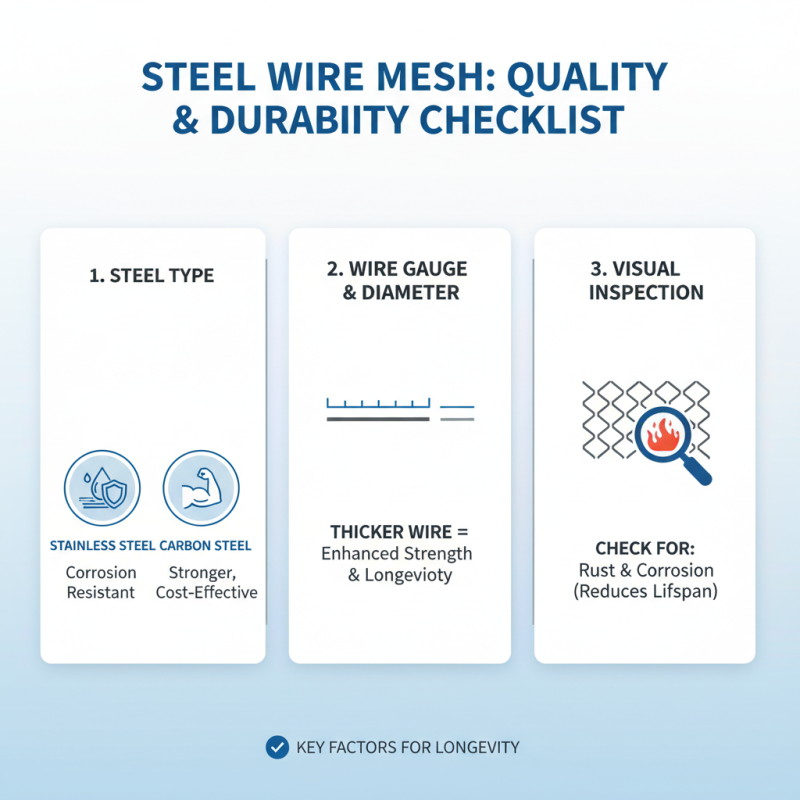
When choosing steel wire mesh, understanding its specifications is crucial. Factors like wire diameter, mesh opening, and tensile strength significantly impact its performance in various applications. For instance, research from the Steel Construction Institute indicates that mesh with a diameter of 4 mm and a square opening of 50 mm can support moderate loads effectively. However, for heavier applications, a thicker wire is recommended.
Tip: Always verify the tensile strength and ductility of the mesh. A higher tensile strength often leads to better durability, but it may also affect flexibility. For example, in construction, flexible mesh can adapt to irregular surfaces.
Another vital specification is the type of steel used. Galvanized steel wire mesh offers corrosion resistance, making it suitable for outdoor or wet environments. According to the American Society for Testing and Materials (ASTM), this type has a significantly longer lifespan. Yet, it can be more expensive compared to other mesh types.
Tip: Consider the environmental conditions when selecting your mesh type. Costlier materials may save money in the long run due to durability. Always balance budget constraints with project longevity for the best outcome.
Common Mistakes to Avoid When Choosing Steel Wire Mesh
Choosing the right steel wire mesh for your project is crucial. Many people make common mistakes that can lead to costly errors. One frequent issue is neglecting the specific requirements of the application. Not all wire mesh is created equal. For instance, some projects need high corrosion resistance while others require strong tensile strength. Understand your environment to avoid this pitfall.
Another mistake is overlooking the mesh size. A common error is choosing a mesh with a size that doesn’t match the intended use. A mesh that is too large can compromise security or stability. On the other hand, a very fine mesh may not allow adequate drainage or airflow. It’s essential to balance these factors carefully.
Additionally, many buyers focus solely on cost. While budget is important, compromising on quality can lead to performance issues. Sometimes, cheaper materials may not meet safety standards. This could result in potential hazards down the line. An informed, thoughtful approach can help you avoid these common pitfalls and ensure a successful project.
How to Choose the Right Steel Wire Mesh for Your Project? - Common Mistakes to Avoid When Choosing Steel Wire Mesh
| Mesh Type |
Wire Diameter (mm) |
Aperture Size (mm) |
Material |
Common Uses |
Common Mistakes |
| Welded Wire Mesh |
2.0 |
50 x 50 |
Steel |
Construction, Fencing |
Ignoring load requirements |
| Hexagonal Wire Mesh |
1.5 |
25 x 25 |
Galvanized Steel |
Chicken Coops, Garden Fencing |
Choosing inappropriate mesh size |
| Stainless Steel Mesh |
0.8 |
20 x 20 |
Stainless Steel |
Food Industry, Filter Applications |
Overlooking corrosion resistance |
| Expanded Metal Mesh |
3.0 |
50 x 150 |
Aluminum |
Walkways, Ventilation |
Neglecting weight limits |
| Chain Link Fence |
2.5 |
40 x 40 |
Galvanized Steel |
Security Fencing |
Misjudging required height |