How to Choose the Right Wire Belt for Your Manufacturing Needs?
Choosing the right Wire Belt for your manufacturing needs can be daunting. With various options on the market, understanding what fits best is crucial. Industry expert John Smith, who has over 20 years of experience in conveyor systems, once stated, "Selecting the right Wire Belt can significantly enhance production efficiency."
When evaluating Wire Belts, consider factors like material, design, and application specifics. Each choice influences durability and function. For instance, stainless steel may offer more strength, while plastic might provide flexibility. It’s important to reflect on your production environment and the processes involved. If your requirements shift, the belt's performance will change.
Many companies overlook maintenance as a key component. Regular inspection can prevent costly downtimes. Selecting a Wire Belt isn’t just a purchase; it’s a strategic decision that can impact your entire operation. Reflecting on these details will guide you toward a well-informed choice.
Understanding the Different Types of Wire Belts Available
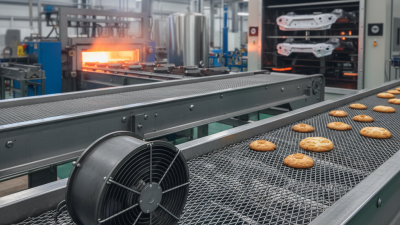
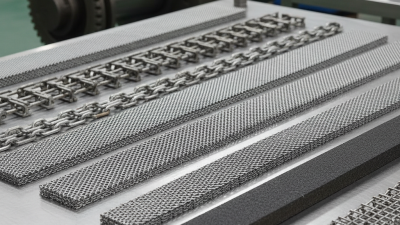
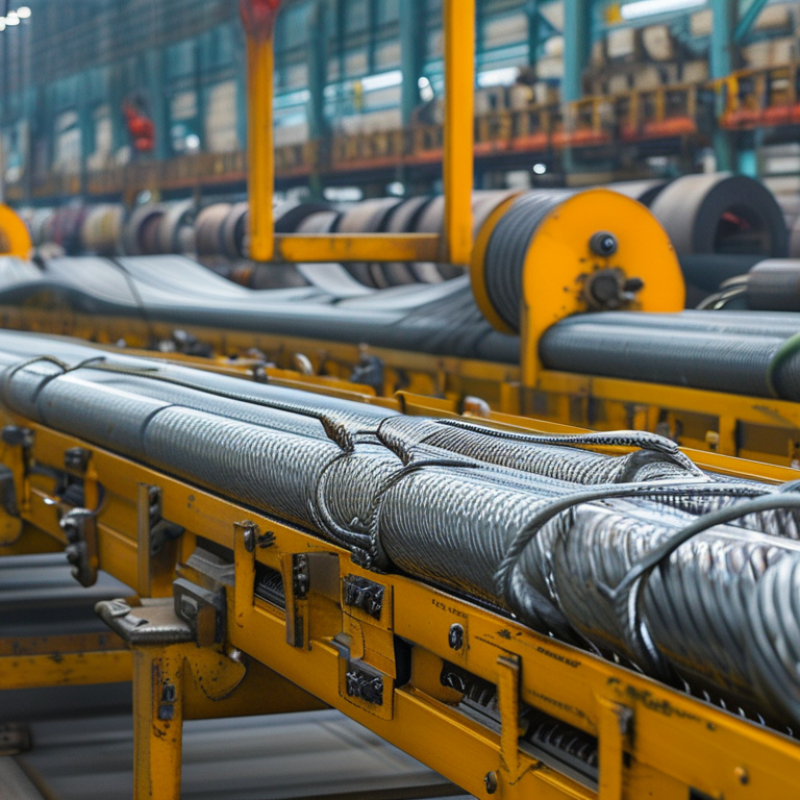
When selecting a wire belt, understanding the different types available is essential. Wire belts come in various materials, each with unique properties. Stainless steel belts, for instance, offer durability and corrosion resistance. They work well in high-temperature environments. On the other hand, plastic wire belts are lightweight and suitable for applications requiring flexibility and easy cleaning.
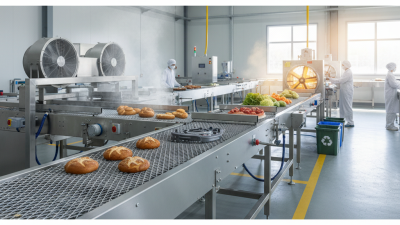
Consider the application of your wire belt. If you are in food processing, a belt with a smooth surface may be necessary to prevent contamination. For heavy-duty manufacturing, opt for belts with reinforced designs. These can withstand greater loads and harsh conditions. Note that each option has its pros and cons. Metal belts may rust if not properly maintained. Plastic belts, while easy to handle, may not support as much weight.
Thinking about the installation process is also vital. Some belts require specific equipment or expertise for fitting. Analyze your team’s skill set and the tools at your disposal. Regular maintenance and inspection are crucial, but many overlook this aspect. An ideal choice balances functionality and practicality, but the reality is that some companies compromise. Reflecting on these factors ensures that you pick a belt that meets your manufacturing needs effectively.
Key Factors to Consider When Selecting a Wire Belt
Selecting the right wire belt for your manufacturing processes involves understanding several key factors. One critical aspect is the material of the wire belt. Stainless steel, for instance, offers durability and resistance to corrosion. According to industry reports, stainless steel wire belts can last up to 15 years in harsh environments, ensuring consistent performance over time.
Another significant factor is the belt's construction. Different configurations, such as spiral or flat wire, affect the airflow and heat transfer rates. A study by the Conveyor Equipment Manufacturers Association shows that a well-chosen wire belt can improve production efficiency by 20%. This increase could vastly enhance your operation's output.
Tips: Always assess the specific needs of your production line. Consider the maximum load and temperature the belt will endure. Regular maintenance checks can help you identify wear and tear before it leads to failures. Additionally, think about compatibility with existing equipment to avoid costly modifications. Be aware that not every solution will be perfect, so remain open to adjustments as needed.
Wire Belt Selection Factors
Assessing Your Manufacturing Requirements for Wire Belts
When selecting the right wire belt for your manufacturing needs, understanding your specific requirements is essential. Consider the type of materials being processed and the operational environment. High temperatures or corrosive substances can impact the belt's performance. For example, if you work with heavy loads, opt for a robust design that can endure wear and tear. A lightweight option may be more suitable for lighter items, ensuring ease of handling.
Next, evaluate the required mesh size. A finer mesh can support smaller products, while a coarser option allows for better airflow and drainage. This is crucial in food processing or chemical applications where moisture control is necessary. Consider the belt's width and length, ensuring it fits your machinery without compromising efficiency. You may realize some sizes don’t fit perfectly, requiring adjustments during installation. Additionally, assess if the belt construction aligns with your cleaning protocols, as maintenance plays a significant role in longevity.
Finally, factor in the speed at which the belt will operate. Some processes demand rapid movement, while others benefit from steady, slower speeds. Each choice impacts productivity and quality. Reflect on past experiences where installation or operational challenges arose. Choosing the right wire belt involves careful consideration, and a misstep can lead to downtime or increased costs. Define your priorities clearly before making a selection to avoid future complications.
How to Choose the Right Wire Belt for Your Manufacturing Needs? - Assessing Your Manufacturing Requirements for Wire Belts
| Wire Belt Type |
Material |
Temperature Range (°C) |
Load Capacity (kg/m²) |
Applications |
| Flat Wire Belts |
Stainless Steel |
-20 to 800 |
150 |
Food Processing, Packaging |
| Curve Wire Belts |
Carbon Steel |
-20 to 650 |
120 |
Material Handling, Conveying |
| Modular Plastic Belts |
Polypropylene |
-20 to 100 |
80 |
Beverage, Dairy Processing |
| Wire Mesh Belts |
Wire Cloth |
-20 to 400 |
100 |
Textile, Metal Treatment |
Evaluating Material Compatibility for Wire Belt Applications
When selecting a wire belt, the compatibility of materials is crucial. Different belts serve various applications. For instance, certain belts excel in high-temperature environments, while others resist corrosion. Understanding the specific requirements of your production process can lead to better choices.
Consider the materials in contact with the wire belt. Are they abrasive or delicate? Will they create friction that could wear down the belt? These factors determine the ideal wire material. Stainless steel offers durability, while plastic belts can handle lighter loads better. Negotiating these choices may require additional research.
Tips: Assess your process sheets carefully. Consult with engineers who specialize in conveyor systems. Their insights can narrow down your options. Continuous testing can help identify the best match for your operation. Testing can reveal potential flaws, ensuring reliable performance over time. Don't overlook the importance of ongoing maintenance to extend the lifespan of your wire belt.
Maintaining and Troubleshooting Wire Belts in Production
Wire belts play a crucial role in many manufacturing processes. Regular maintenance is essential for their performance and longevity. Start by inspecting the belt frequently for signs of wear or damage. Look for cracks, broken wires, or misalignment. Addressing these issues promptly prevents further damage and costly downtime.
Cleaning the wire belts is another key aspect. Build-up of materials can lead to inefficiencies. Use a soft brush or a vacuum to remove debris. If the accumulation is severe, consider using appropriate cleaning solutions. This ensures optimal performance and reduces the risk of operational failure.
When troubleshooting, listen for unusual noises during operation. These could indicate issues like friction or misalignment. Monitor the temperature of the belt as overheating can signal problems. Analyze production output for irregularities; these may stem from belt issues. Understanding these signs allows for timely interventions, ultimately enhancing productivity and safety.