2026 How to Choose the Right Wire Mesh Belt for Your Industry Needs?
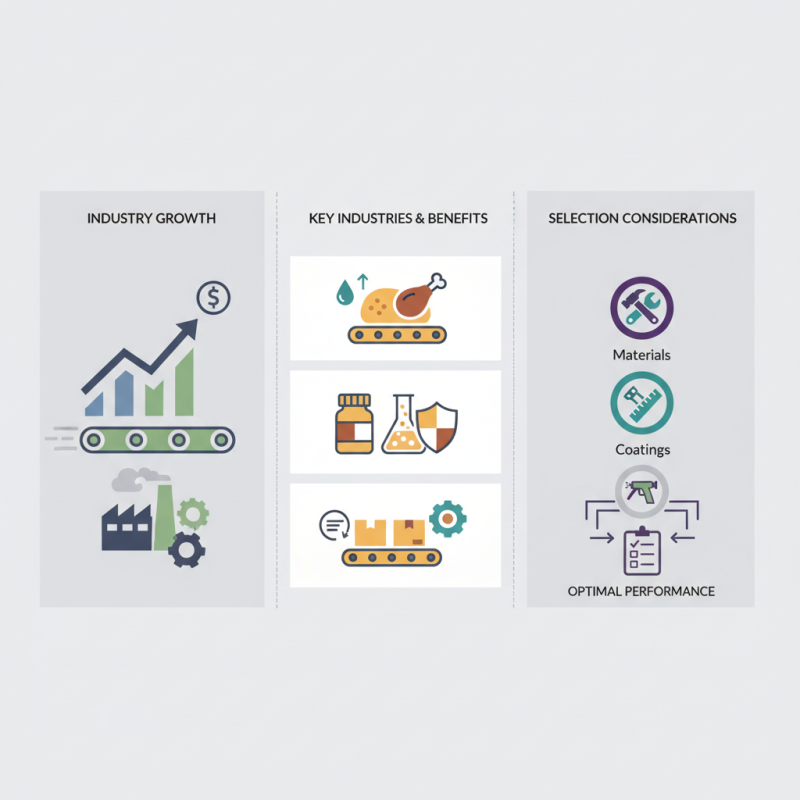
Choosing the right Wire Mesh Belt can significantly impact operational efficiency across various industries. Reports from sources like the Conveyor Equipment Manufacturers Association (CEMA) indicate that the global conveyor belt market is projected to reach $6.3 billion by 2026. This growth reflects an increasing reliance on durable and efficient materials in manufacturing processes.
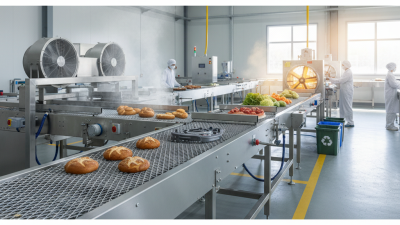
Wire Mesh Belts are essential for industries such as food processing, pharmaceuticals, and material handling. They provide crucial support for products while allowing air circulation and drainage. In food processing, for example, a study found that using wire mesh belts can reduce contamination risks by up to 30%. However, selecting the incorrect belt type can lead to inefficiencies and increased costs.
As industries evolve, there's a need for adaptability. Not all Wire Mesh Belts are created equal; they vary in materials, sizes, and coatings. Understanding specific requirements is crucial. Failure to assess these factors may result in operational hiccups. Therefore, careful evaluation of options is necessary for optimal performance.
Understanding Wire Mesh Belts: Types and Specifications
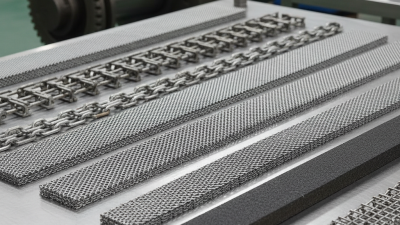
Wire mesh belts are essential components across various industries. Understanding the types and specifications of these belts can greatly influence operational efficiency. Wire mesh belts come in several types, including flat wire, spiral link, and double loop belts. Each type serves specific applications, from food processing to heavy-duty industrial use. Knowing the right type for your needs is crucial.
The specifications of wire mesh belts vary notably. Factors like wire diameter, mesh size, and material type impact durability and performance. For example, a smaller mesh size provides better support for smaller items but may limit airflow. Conversely, larger openings allow for superior drainage but could risk product loss. It's essential to balance these specifications based on your operational requirements.
Choosing the correct wire mesh belt requires thoughtful consideration. Match the belt type and specifications to your production demands. This process may involve some trial and error. Engage with industry experts to gain insights into the best solutions. Continuous evaluation helps refine your selection, ensuring greater reliability and effectiveness in your manufacturing processes.
Key Factors to Consider When Selecting a Wire Mesh Belt
When selecting a wire mesh belt, consider several key factors that will greatly impact your operations. First, identify the specific application requirements. Different industries, such as food processing or automotive, require distinct materials and belt designs. According to a report by the Wire Mesh Belt Association, 45% of industry professionals cite application suitability as a crucial factor in their selection process.
Another important consideration is the environment where the wire mesh belt will be used. Factors such as temperature, humidity, and exposure to chemicals can affect the belt's performance and longevity. A study by the International Conveyor Group indicated that belts made from stainless steel last up to 30% longer in harsh conditions compared to carbon steel models.
**Tip:** Always request sample materials to test in your specific conditions. This can reveal how a belt performs under pressure or with specific products.
Another aspect is the belt’s maintenance needs. Some belts require more frequent cleaning and inspection, which can lead to increased downtime. Therefore, weighing maintenance requirements against operational efficiency is essential. The same report shows that belts with easy-to-clean designs can reduce downtime by about 20%.
**Tip:** Consider the long-term costs associated with maintenance. Sometimes, investing in a slightly more expensive belt can lead to greater savings in the long run.
2026 How to Choose the Right Wire Mesh Belt for Your Industry Needs? - Key Factors to Consider When Selecting a Wire Mesh Belt
| Key Factor |
Description |
Industry Applications |
| Material Type |
Consider materials like stainless steel, carbon steel, or plastic based on durability and corrosion resistance. |
Food processing, chemical processing, packaging |
| Mesh Size |
Choose the appropriate mesh size for material retention and airflow requirements. |
Baking, drying, filtration |
| Belt Style |
Select from flat, spiral, or modular belts based on the application process. |
Conveying, cooling, heating |
| Operational Environment |
Evaluate temperature extremes, chemical exposure, and sanitation requirements. |
Pharmaceuticals, automotive, food industry |
| Belt Width and Length |
Determine the correct dimensions to fit equipment and maximize efficiency. |
Manufacturing lines, assembly processes |
| Weight Capacity |
Analyze the weight load that the belt must support during operations. |
Heavy goods, pallet handling |
Industry-Specific Applications of Wire Mesh Belts
Wire mesh belts serve various industries by catering to specific applications. In the
food processing sector, these belts ensure hygienic transport of items
like baked goods and meats. Their open design allows for optimal airflow and cooling, reducing the risk of spoilage. Using wire mesh
belts can streamline production lines, enhancing efficiency.
In the automotive industry, wire mesh belts take on a different role. They are
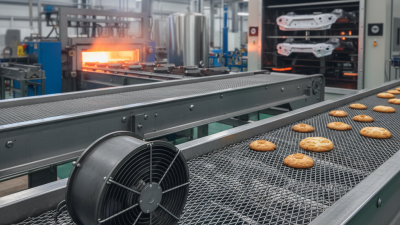
used in painting and drying processes. The belts can handle heavy loads and resist high temperatures. This durability is crucial
in an environment where failure can lead to costly delays. However, choosing the wrong type
can lead to frequent maintenance issues, which challenge productivity.
Textile manufacturing also benefits from wire mesh belts. They facilitate the drying and transportation of fabrics. The precise
control over temperature can influence the quality of the materials. It's important to assess the specific needs of the process,
as one size does not fit all. Ignoring these details may result in significant
production setbacks.
Maintenance and Durability in Wire Mesh Belt Selection
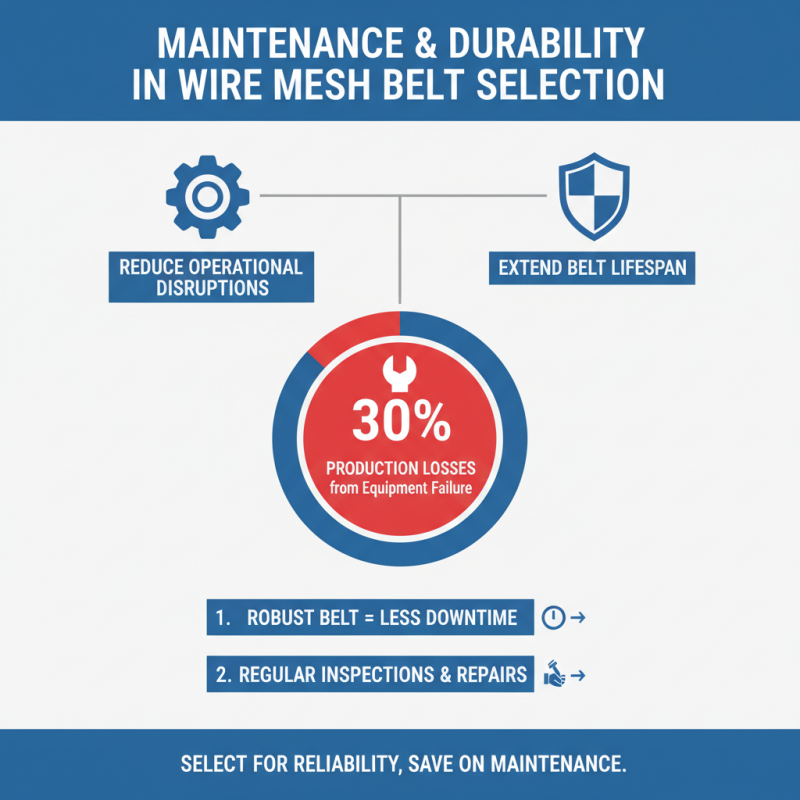
When selecting a wire mesh belt, maintenance and durability are crucial factors. A robust wire mesh belt can significantly reduce operational disruptions. According to a recent industry report, nearly 30% of production loss stems from equipment failure and maintenance issues. Regular inspections and timely repairs can extend the lifespan of a belt, ensuring minimal downtime.
Choosing the right materials enhances durability. Stainless steel and alloy compositions resist corrosion and wear. Research shows that belts made with higher grade materials last up to 20% longer. However, not all manufacturers utilize the best materials consistently. This inconsistency can lead to unexpected failures.
Additionally, consider the operating environment. Variations in temperature and humidity affect a wire mesh belt's lifespan. Some environments are harsher than anticipated. Not addressing these factors can result in premature wear. Keeping a close watch on the degradation signs is essential. Recognizing typical wear patterns can help in preventive maintenance planning. Engaging with industry experts can provide insights tailored to specific needs. Having a proactive approach is beneficial in the long run.
Cost-Effectiveness and Performance Metrics of Wire Mesh Belts
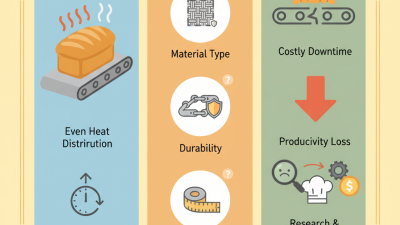
When selecting a wire mesh belt, cost-effectiveness and performance metrics are crucial. Many industries face the challenge of balancing quality and budget. The right belt can impact operational efficiency. A poorly chosen belt may lead to unexpected downtime and higher costs in the long run.
Performance metrics play a significant role in this decision. Look for attributes like strength, durability, and heat resistance. These factors determine how well a belt performs under specific conditions. For example, belts used in high-temperature environments need to withstand extreme heat without deforming. Regular inspection and maintenance also affect long-term performance.
Cost-effectiveness isn't just about the initial price. Consider the total cost of ownership. A reliable belt with a higher upfront cost may save you money on repairs and replacements later. It's essential to evaluate these metrics against your industry's specific demands. Striking the right balance can lead to improved productivity and reduced operational costs.
2026 Wire Mesh Belt Cost-Effectiveness and Performance Metrics