10 Essential Tips for Choosing the Right Woven Mesh for Your Project?
When embarking on a project that requires Woven Mesh, choosing the right type is crucial. The variety of options can be overwhelming, and making an informed choice is essential. Woven Mesh is a versatile material used in various applications, from architecture to art installations. Each project has unique requirements. Understanding these differences is key.
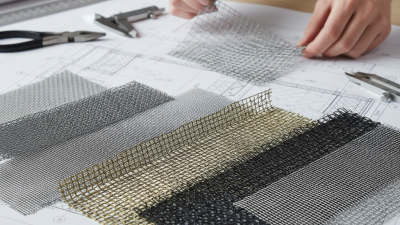
Woven Mesh comes in multiple materials, patterns, and weaves. This diversity adds complexity to your choice. A single misstep can lead to structural issues or aesthetic disappointments. Therefore, thorough research and expert advice play an important role. Consider factors such as durability, weight, and appearance. These elements will influence your project's outcome significantly.
It’s important to reflect on your project's goals and constraints. Ask yourself: How will the Woven Mesh interact with its environment? Will it withstand weather conditions or heavy use? These inquiries can guide you toward the best decision. Take your time to explore all options. In the end, your choice should enhance the functionality and design of your project.
Understanding the Different Types of Woven Mesh Materials
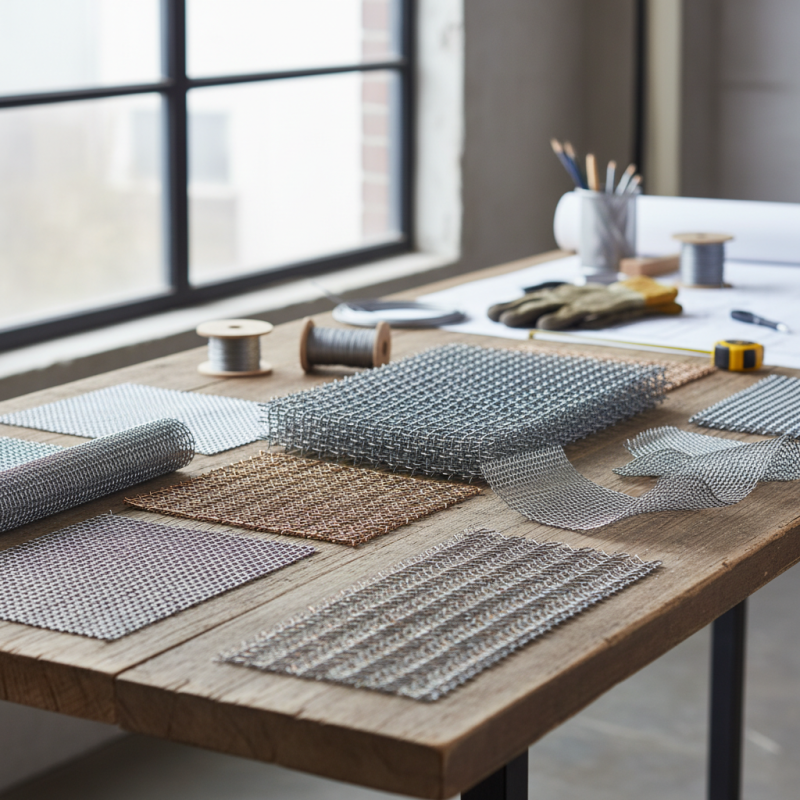
Choosing the right woven mesh for your project begins with understanding the various materials available. Different woven mesh types serve diverse purposes. Steel mesh is strong and appropriate for industrial use. It can withstand high tension and is durable. Aluminum mesh is lightweight and corrosion-resistant, making it suitable for outdoor applications.
When evaluating options, consider the mesh's opening size. Smaller openings provide better filtration, while larger holes allow airflow. Balance your project's needs with these characteristics. Reflect on your specific requirements before making a decision.
Before committing, think about how the mesh will interact with its environment. Humidity, temperature fluctuations, and exposure to chemicals can affect durability. It's crucial to assess these factors to avoid future problems. Ask for samples to check the material quality firsthand. Always seek advice from experts to assure your choice aligns with your project's goals.
Assessing the Strength and Durability Requirements for Your Project
When selecting woven mesh for your project, strength and durability are key factors. Different projects demand different levels of resilience. Evaluate the environment where the mesh will be used. Will it face harsh weather, chemicals, or mechanical stress? Understanding these conditions helps determine the material's appropriate durability.
Look closely at the tensile strength of the materials. This tells you how much stress the mesh can handle without failing. Test samples under actual conditions if possible. Many users overlook this step but it’s crucial for long-term success. Also, consider how the mesh will be installed. Installation stress can affect its durability significantly.
Pay attention to the mesh design itself. Tools and machinery may require specific mesh sizes and patterns for optimal performance. Reflect on how these design choices might impact not just performance but also the safety of your project. Incomplete assessments can lead to issues that are difficult to resolve later. Think through every aspect carefully to avoid regret down the line. Robust decision-making is essential for achieving lasting results.
Evaluating Mesh Open Area and Its Impact on Performance
When selecting woven mesh for a project, evaluating the open area is crucial. Open area refers to the percentage of the mesh that is not solid material. It directly influences how air, light, and fluids pass through the mesh. A higher open area means better airflow and light transmission, making it ideal for certain applications. For instance, in filtration processes, too high an open area may compromise the filter's effectiveness.
Choosing the correct open area can be a challenge. There’s a balance to maintain. Consider the project requirements carefully. A mesh with too little open area may not allow adequate flow, leading to clogs and inefficiencies. Conversely, selecting a mesh with excessive open area risks unintended penetration of unwanted particles. It's essential to look closely and test different options to find that sweet spot.
Understand how environmental conditions might affect the mesh as well. Humidity, temperature, and exposure to chemicals could change performance. Regular assessments can help ensure that the chosen mesh continues to meet project demands. This process may include trial and error. Keep records of what works and what doesn’t. Each project may teach you new lessons about open area metrics.
Considering Corrosion Resistance and Environmental Compatibility
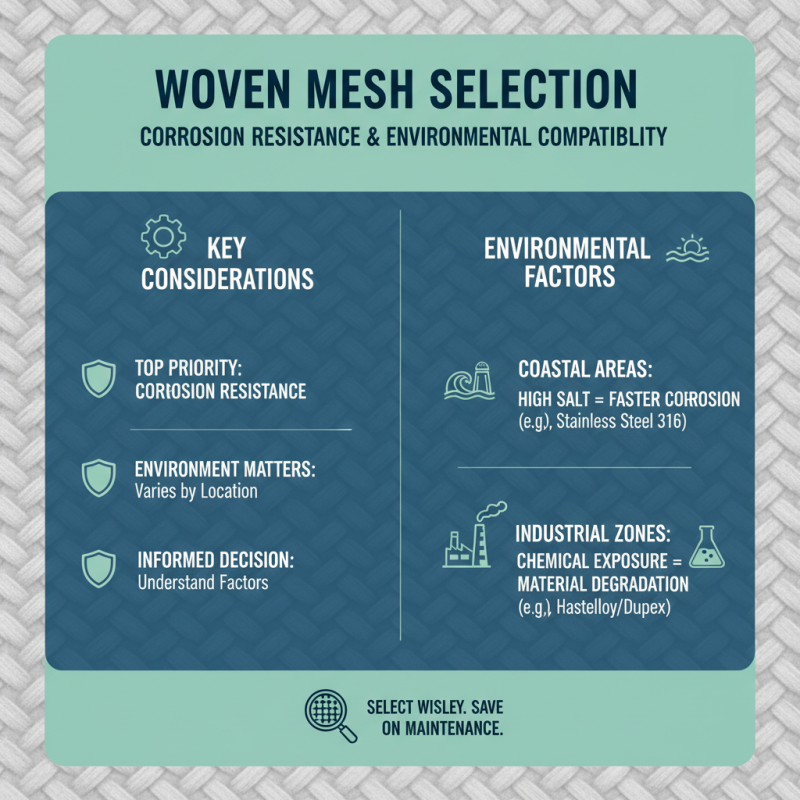
When selecting woven mesh for your project, corrosion resistance should be a top priority. Different environments can affect materials in various ways. For instance, coastal areas with high salt content may corrode metals quicker. Understanding these factors helps in making an informed decision.
Environmental compatibility is equally crucial. Some materials may react poorly to certain chemicals or temperatures. This reaction can impact their longevity and performance. It's essential to consider where the mesh will be used. For example, a mesh used in a chemical plant needs to withstand harsh conditions.
Conduct thorough research before making a choice. Lack of understanding can lead to costly mistakes. Sometimes, using cheaper options may seem appealing initially, but they may not last long. Balancing cost with quality is vital to ensure project success. Always consult with experts when in doubt. Their experience can provide valuable insights and guide you toward the right woven mesh for your specific needs.
Identifying Cost-Effectiveness and Availability of Woven Mesh Options
When selecting woven mesh for your project, consider cost-effectiveness and availability. These factors can significantly impact your budget and timeline. Check local suppliers to assess availability. Online marketplaces may offer varied options, but shipping costs can add up quickly. Always compare prices from different sources.
Tip one: Look for bulk purchasing options. Ordering in larger quantities can significantly reduce the cost per unit. This can be especially beneficial for larger projects requiring extensive materials.
Tip two: Evaluate the alternating patterns and materials. Different types of woven meshes have various attributes affecting durability and cost. For example, some meshes provide better support and strength but may come at a higher price point.
Keep in mind, the cheapest option might not always be the best choice. Assess the long-term value and potential replacement costs. Contemplate how material availability can impact your project. If a specific woven mesh is hard to find, consider alternatives that may suit your needs. Balancing quality and budget is essential for project success.