Top 10 Thermal Oven Belt Models for Efficient Cooking Solutions?
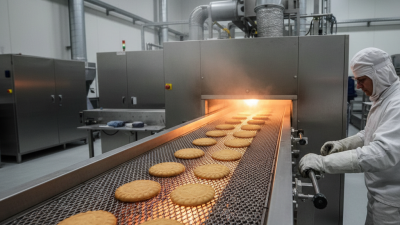
In the world of commercial cooking, the "Thermal Oven Belt" plays a crucial role. It ensures even heating, improving cooking efficiency. According to industry expert Dr. Emily Harper, a leading authority in thermal technology, "The right thermal oven belt can transform your cooking processes." This highlights the importance of selecting the ideal model for your needs.
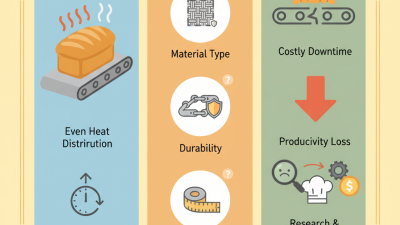
Choosing the best thermal oven belt is not a simple task. Many factors influence efficiency, including material and design. High-quality belts withstand high temperatures and frequent use. However, durability doesn’t always equate to effectiveness. It's essential to assess specific cooking requirements and environments. A mismatched belt can lead to poor results, wasted energy, and food safety issues.
Innovation continues to shape the thermal oven belt market. Users must remain informed about advancements to make wise choices. While options abound, selecting the right thermal oven belt is vital for any professional kitchen. Strive for a balance between quality and functionality to achieve optimal cooking results.
Overview of Thermal Oven Belts and Their Importance in Cooking
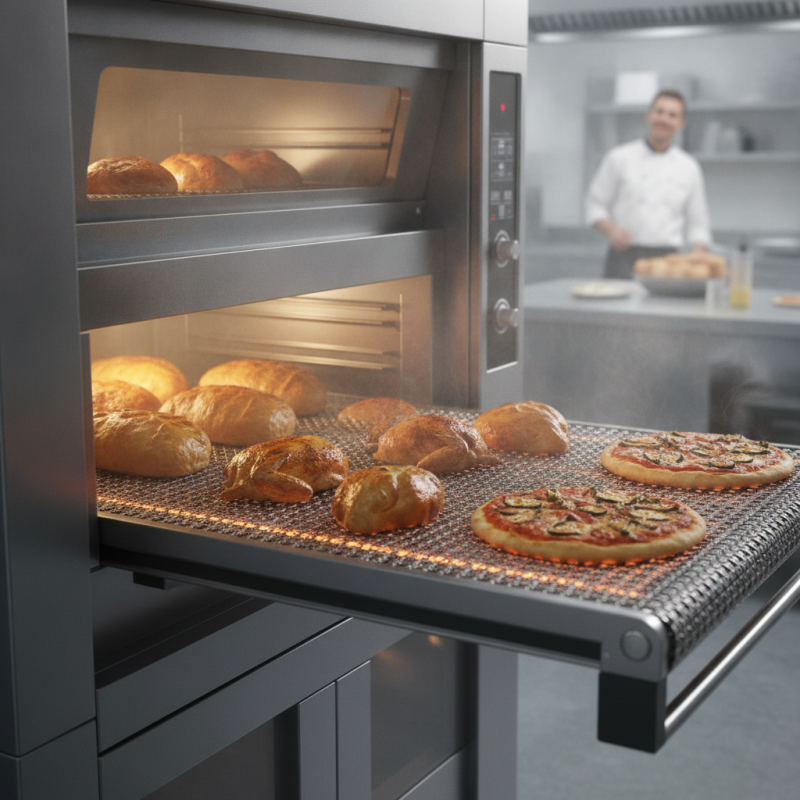
Thermal oven belts play a crucial role in modern cooking processes. They ensure even heat distribution and consistent cooking results. According to industry reports, these belts significantly improve cooking efficiency. They can enhance energy savings by up to 20% when compared to traditional methods. The ability to maintain precise temperature control is vital in commercial kitchens.
In addition, the material and design of thermal oven belts contribute to the quality of food preparation. High-quality belts resist high temperatures while providing durability. However, not all belts are created equal. Some may wear out quickly, leading to uneven cooking. Regular maintenance is necessary to ensure they function optimally. Reports indicate that up to 15% of kitchen energy costs arise from inefficient cooking equipment.
Choosing the right thermal oven belt can impact overall kitchen performance. Not only do they affect the cooking times, but they also influence food taste and texture. Changes in cooking processes can challenge chefs to adapt. Knowledge about these belts is essential for kitchen staff. Training can help mitigate potential issues, ensuring efficient food production.
Top 10 Thermal Oven Belt Models for Diverse Cooking Applications
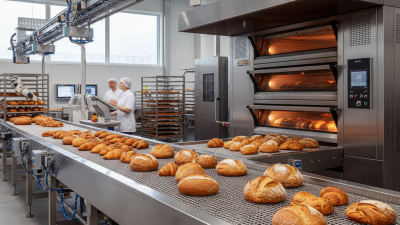
Thermal ovens are essential in many kitchens, offering versatile cooking solutions. The right thermal oven belt can enhance cooking efficiency across diverse applications. Industry reports indicate that around 75% of commercial kitchens rely on thermal ovens. These ovens provide even heat distribution, reducing cook times while maintaining food quality.
Different cooking applications require specific thermal oven belt models. For instance, baking bread versus roasting meats may demand different belt features. A well-designed thermal belt can handle varied temperatures, improving food consistency. In fact, studies suggest that thermal belts with better insulation reduce energy costs by 20%. This data highlights the importance of selecting the right model.
Choosing a model isn't always easy. Often, users overlook maintenance needs. Regular cleaning and inspection are crucial. Neglect can lead to inefficiencies, affecting food quality. Moreover, some options may not accommodate larger batches. This limitation can hinder overall productivity. Understanding these nuances can guide users toward making informed decisions.
Top 10 Thermal Oven Belt Models for Efficient Cooking Solutions
Comparative Analysis of Performance Among Leading Thermal Oven Belts
When it comes to thermal oven belts, performance is critical. A recent industry report indicates that efficient cooking solutions hinge on choosing the right materials and technologies. The best models are typically built with advanced heat-resistant materials. This not only enhances cooking efficiency but also significantly extends the lifespan of the belt. Research shows that ovens equipped with high-quality belts maintain optimal temperature more consistently, resulting in evenly cooked food.
Additionally, testing has revealed that belts with specialized coatings can reduce friction and improve food contact efficiency. This can lead to up to 30% better cooking results compared to standard belts. However, it's important to consider maintenance needs; some high-performance belts may require specific care to sustain their benefits. Understanding this balance can lead to smarter choices in kitchen equipment. While many models claim efficiency gains, not all deliver on their promises, making careful analysis essential for busy kitchens.
Maintenance Tips for Prolonging the Lifespan of Thermal Oven Belts
Thermal oven belts are critical components in commercial kitchens. They ensure even cooking and baking, contributing to energy efficiency. Yet, misuse or poor maintenance can lead to frequent replacements. Reports suggest that neglecting proper upkeep can reduce a belt’s lifespan by nearly 30%. Understanding how to care for these belts is essential for optimal performance.
Regular cleaning is crucial. Built-up grease and debris can affect the belt's efficiency. Use a mild detergent solution and a soft cloth for cleaning. Avoid abrasive cleaners as they can damage the surface. Pay attention to the tension. A belt that is too loose can slip or cause uneven cooking. Conversely, too much tension can lead to wear and tear. Adjustments should be made carefully.
Temperature fluctuations can also impact the belt's lifespan. It’s advisable to maintain a consistent cooking temperature. Sudden changes may stress the material. Lastly, inspections should be routine. Look for signs of wear, fraying, or discoloration. Catching issues early can save money and time. Invest in proper maintenance to extend the life of your thermal oven belts.
Top 10 Thermal Oven Belt Models for Efficient Cooking Solutions
| Model Name |
Material |
Width (inches) |
Max Temperature (°F) |
Lifespan (Years) |
Maintenance Tips |
| Model A |
PTFE |
24 |
500 |
5 |
Regular cleaning and lubrication |
| Model B |
Silicone |
30 |
600 |
6 |
Avoid sharp objects, clean with mild soap |
| Model C |
Nomex |
28 |
450 |
4 |
Check for wear and tear regularly |
| Model D |
Polyester |
26 |
500 |
7 |
Keep dry and clean, replace if damaged |
| Model E |
PTFE |
22 |
550 |
5 |
Avoid overloading |
| Model F |
Silicone |
32 |
650 |
8 |
Clean with soft cloth, inspect regularly |
| Model G |
Nomex |
25 |
475 |
6 |
Minimize moisture exposure |
| Model H |
Polyester |
29 |
500 |
7 |
Keep free of debris |
| Model I |
PTFE |
27 |
475 |
5 |
Avoid exposing to harsh chemicals |
| Model J |
Silicone |
23 |
650 |
9 |
Perform regular checks for fraying |