What is Wire Belting and How is it Used in Various Industries?
Wire belting is an essential component in many industries. It consists of metal or polymer wires woven together. These belts offer strength and durability. They are used in conveyor systems, food processing, and manufacturing.
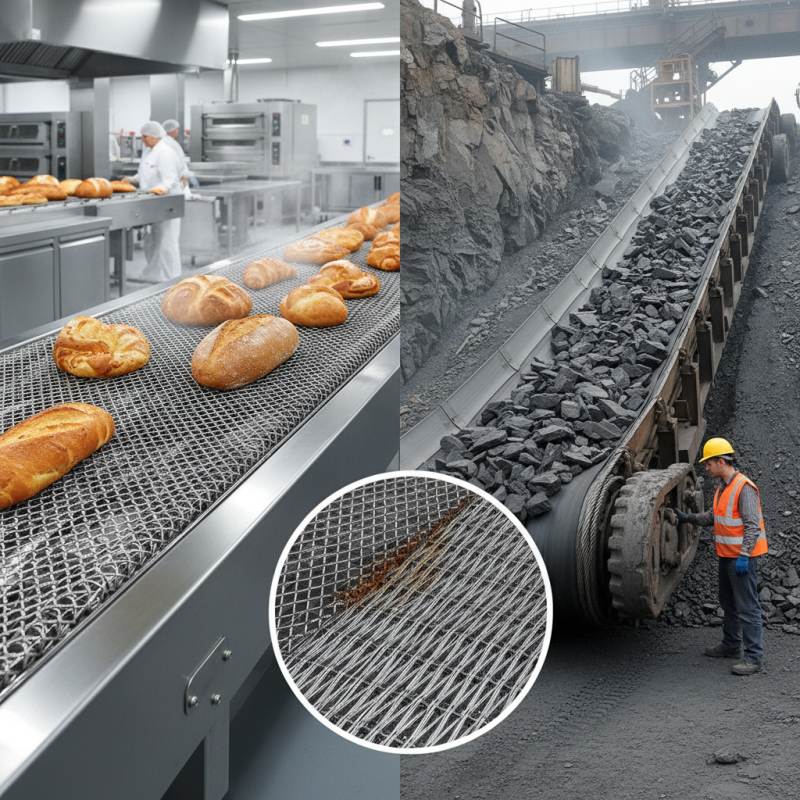
In food production, wire belting is critical. It provides a hygienic surface for transporting products. This is especially important in environments where cleanliness is vital. However, using wire belting can pose challenges. Proper maintenance is needed to avoid rust or wear.
In the mining industry, wire belts are crucial for transporting heavy materials. They can withstand harsh conditions. Yet, they require frequent checks for damage or defects. This needs ongoing attention from operators. Wire belting has diverse applications but also demands careful consideration.
What is Wire Belting? An Overview of Its Composition and Characteristics
Wire belting is a versatile material made from interwoven metal wires. It offers high strength and durability, making it suitable for various applications. Typically constructed from stainless steel, carbon steel, or other alloys, wire belts are engineered to withstand extreme temperatures and heavy loads. According to industry reports, the wire belting market is projected to grow at a CAGR of 5% from 2023 to 2028, reflecting its increasing importance across different sectors.
In the food processing industry, wire belting is often used on conveyor systems. This allows for efficient movement of products. The material is easy to clean and resistant to corrosion, which is crucial in environments where hygiene is a priority. However, a common oversight is not accounting for the belt's weight capacity, leading to potential failures and costly downtimes.
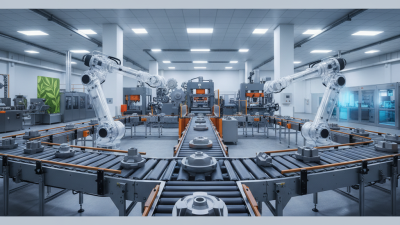
Moreover, wire belting finds use in the automotive industry as well. It plays a vital role in transporting parts throughout manufacturing lines. The belts facilitate proper airflow and heat dissipation, especially during processes that involve high temperatures. Still, companies must remain vigilant. Misalignment or wear of the belts can cause significant disruptions. With the right maintenance, however, wire belting can enhance operational efficiency, but it demands attention to detail and regular checks.
The Manufacturing Process of Wire Belting: From Raw Materials to Final Product
Wire belting plays a crucial role in various industries, from food processing to packaging. Its manufacturing process begins with raw materials. Steel wires are often chosen for their durability and strength. These wires are carefully selected based on specifications that meet industry standards. The quality of steel affects the final product's performance.
The wires undergo multiple steps: drawing, cleaning, and bending. Drawing reduces the diameter of the wire, while cleaning eliminates any debris. Bending forms the wire into the desired shape for the belt. This is where precision is key. Minor inconsistencies during bending can lead to issues later, such as misalignment in conveyor systems.
Tips: Regular inspections during the manufacturing process can detect flaws early. Ensuring accurate measurements can save time and resources. Remember, even small deviations can cause performance problems down the line.
After shaping, the wires are woven together, creating the final belt. This weaving can be simple or complex, depending on usage. Belts may have different porosities or covering materials. For example, a belt designed for food products requires different hygiene standards than one for heavy machinery. Balancing production efficiency and product quality is critical.
What is Wire Belting and How is it Used in Various Industries?
| Industry |
Application |
Materials Used |
Benefits |
| Food Processing |
Conveying baked goods, sorting products |
Stainless steel, plastic coatings |
Easy cleaning, durability, resistance to corrosion |
| Automotive |
Parts assembly, drying processes |
Steel, high-temperature alloys |
High strength, thermal resistance, longevity |
| Textiles |
Material conveyance, drying |
Polyester, nylon coatings |
Lightweight, flexibility, chemical resistance |
| Mining |
Transporting minerals and aggregates |
Heavy-duty steel |
Robustness, high load capacity, wear resistance |
| Pharmaceuticals |
Product handling and sterilization |
Stainless steel, FDA-approved plastics |
Compliance, hygiene, ease of sterilization |
Applications of Wire Belting in the Food Processing Industry
Wire belting serves a crucial role in the food processing industry. It is designed to handle various products, from fruits and vegetables to meats and baked goods. The construction of wire belts allows for easy cleaning and high durability. This makes them ideal in environments that require strict hygiene standards.
In food processing, wire belts support operations like freezing, drying, and transporting products. Their open structure facilitates airflow, which helps in even baking or cooling. One of the challenges is ensuring they do not develop rust or corrosion. Regular maintenance is essential to keep them functional and safe.
Tips: Always inspect the belts for wear and damage. Small issues can lead to larger problems later. Also, ensure proper cleaning methods are in place. This will help avoid contamination and safety issues. Don't ignore the importance of using the right materials. Different products may require specific types of wire belting for optimal performance.
Industrial Uses of Wire Belting: Metalworking and Automotive Sectors
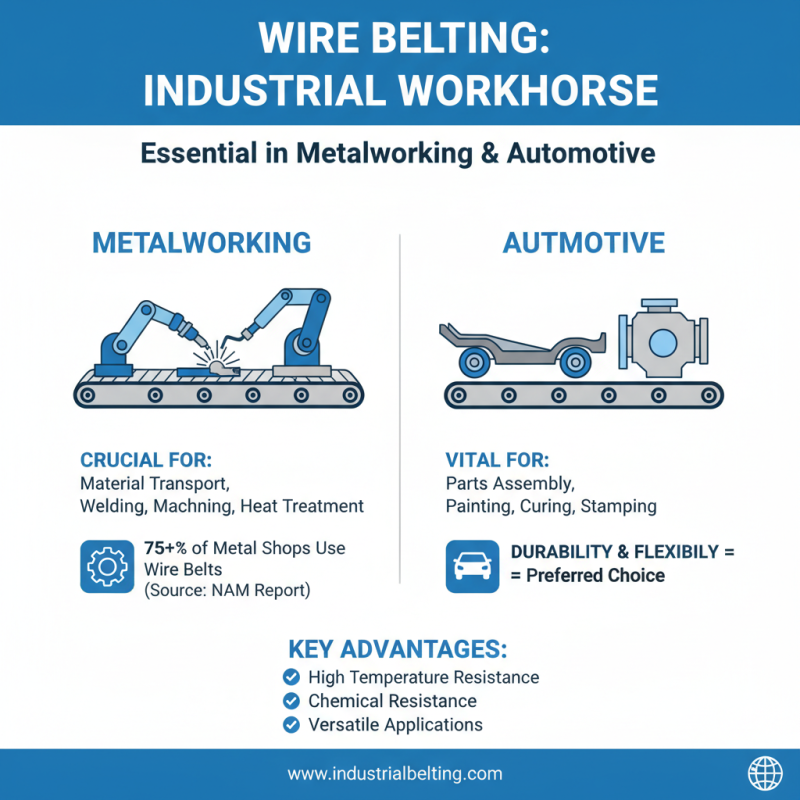
Wire belting plays a crucial role in various industries, especially in metalworking and automotive sectors. In metalworking, wire belts are essential for transporting materials through processes like welding and machining. According to a recent report by the National Association of Manufacturers, over 75% of metal shops utilize conveyor systems, with wire belting being the preferred choice due to its durability and flexibility.
In the automotive industry, wire belting supports assembly lines by moving car parts efficiently. This enhances production speed and reduces downtime. Data from the Automotive Industry Action Group indicates that manufacturers experience up to a 20% improvement in operational efficiency with wire belting systems. However, challenges exist. Incorrect installation can lead to misalignment, affecting the entire production flow. Adjustments are often necessary to maintain optimal performance in high-speed environments.
Moreover, wire belts must withstand varying temperatures and corrosive environments. Regular maintenance is vital, yet often overlooked. A gap in preventive measures can lead to costly downtimes and repairs. Little attention to wire belting design may result in significant operational setbacks. This highlights the importance of meticulous planning and continuous evaluation in the use of wire belting across these essential sectors.
Advantages of Wire Belting Over Traditional Conveyor Belts in Various Industries
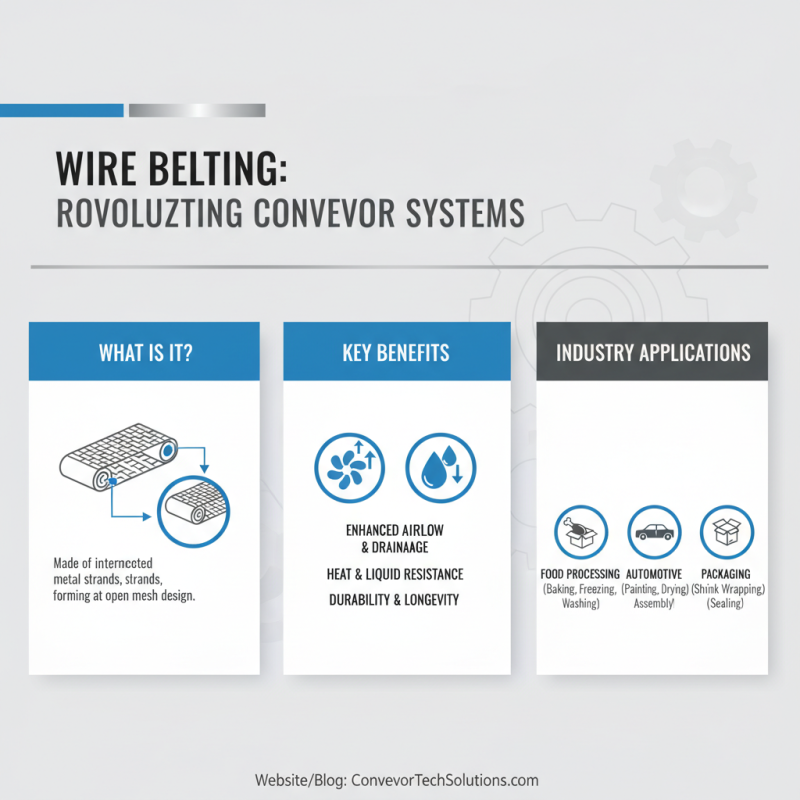
Wire belting is revolutionizing conveyor systems across various industries. Unlike traditional rubber belts, wire belts are made of metal strands. This design allows for better airflow and drainage. Industries such as food processing, automotive, and packaging significantly benefit from wire belting.
One key advantage of wire belting is its durability. Studies show that metal belts can outlast rubber belts by 30%. They withstand extreme temperatures and harsh chemicals better. Additionally, wire belts are easier to clean, enhancing hygiene in food-related industries. Some reports indicate a decrease in cleaning time by up to 50% when switching to wire belting. Production lines can run more efficiently with minimal downtime.
**Tip:** Always consider the specific needs of your industry when choosing belting materials. Different environments may require unique solutions. Pay attention to the maintenance requirements of the wire belting system, as these can affect long-term performance. In some cases, companies find that wire belting does not fit well with all types of products. This factor should be evaluated closely before making a transition.