Why Choose Wire Mesh Belts for Enhanced Efficiency in Industrial Applications?
In the ever-evolving landscape of industrial applications, efficiency is paramount. One innovative solution that continues to gain traction is the Wire Mesh Belt. This versatile transport system is increasingly favored across various sectors for its unique properties and operational advantages. Wire mesh belts are designed to optimize material handling processes while ensuring durability and flexibility, making them a critical component in modern manufacturing and processing environments.
The strength of wire mesh belts lies in their ability to enhance productivity without compromising on quality. These belts facilitate a smoother workflow by providing a consistent surface for transportation, which minimizes product damage and downtime. Furthermore, their open structure allows for optimal airflow and drainage, making them ideal for applications that involve heating, cooling, or washing processes. As industries strive to implement more efficient systems, the wire mesh belt stands out as a reliable choice to meet these demands.
Choosing a wire mesh belt not only supports operational efficiency but also offers sustainable benefits. Their longevity and recyclability contribute to environmental initiatives, aligning with the growing emphasis on sustainable industrial practices. With the blend of efficiency, durability, and eco-friendliness, wire mesh belts are redefining standards in industrial applications, making them an essential consideration for businesses looking to enhance their operational frameworks.
Advantages of Wire Mesh Belts in Industrial Settings
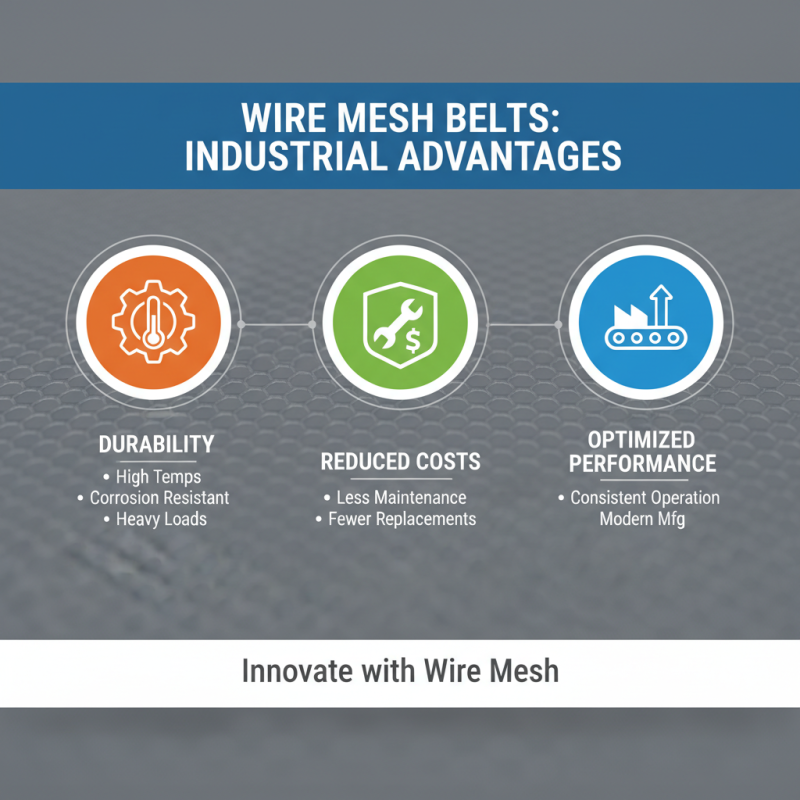
Wire mesh belts have emerged as a preferred choice in various industrial applications due to their distinct advantages that cater to the needs of modern manufacturing processes. One of the primary benefits of wire mesh belts is their exceptional durability. Constructed from materials such as stainless steel or other alloys, they are designed to withstand high temperatures, corrosive environments, and heavy loads. This resilience allows them to maintain performance over time, reducing the frequency of replacements and, consequently, maintenance costs for industrial operations.
Another significant advantage is the excellent airflow and drainage properties of wire mesh belts. Their open structure facilitates optimal ventilation, making them ideal for processes requiring cooling or drying. This ensures that products maintain quality and consistency during processing, such as in food production, where moisture control is crucial. Additionally, the design allows for easy cleaning and sanitation, which is vital in industries where hygiene is a top priority. These features not only boost efficiency by minimizing downtime but also enhance the overall productivity of industrial operations.
Comparative Analysis: Wire Mesh Belts vs. Traditional Belting Options
When comparing wire mesh belts to traditional belting options, several key factors highlight the advantages of choosing wire mesh in industrial applications. Traditional belts, often made of rubber or fabric, might not offer the same level of durability or airflow that wire mesh belts provide.
The inherent design of wire mesh allows for superior breathability, enabling effective cooling and drying processes, which is particularly beneficial in industries such as food processing and metallurgy. This increased airflow helps to prevent moisture buildup, reducing the risk of bacteria and mold growth during transportation.
Furthermore, wire mesh belts boast greater resistance to extreme temperatures and harsh chemicals, making them ideal for demanding environments. Unlike traditional belts that may deteriorate or warp under such conditions, wire mesh can maintain its structure and functionality over time.
Additionally, the open design not only facilitates cleaning but also minimizes material stickiness, further enhancing operational efficiency. The ability to customize the mesh size and material type allows for versatile applications, allowing businesses to optimize their production processes while reducing downtime associated with maintenance or replacement of traditional belts.
Overall, the comparative analysis favors wire mesh belts as a superior solution for enhanced efficiency and longevity in industrial settings.
Applications of Wire Mesh Belts Across Various Industries
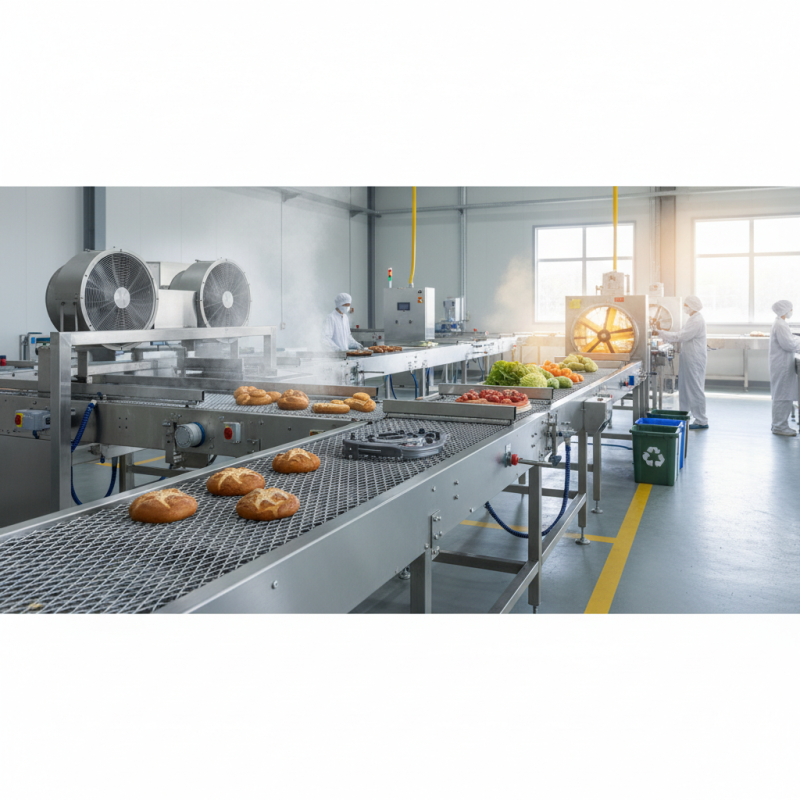
Wire mesh belts are becoming increasingly popular in a range of industrial applications due to their durability and versatility. In the food processing industry, for instance, wire mesh belts are utilized for baking, cooling, and frying processes. According to a report by MarketsandMarkets, the global food processing equipment market is projected to reach USD 100 billion by 2025, and wire mesh belts are at the forefront, providing effective heat transfer and facilitating optimal airflow, which are essential for consistent product quality.
In the automotive sector, wire mesh belts have found their niche as well, particularly in applications such as parts washing and drying. Their ability to withstand high temperatures and resist chemical corrosion makes them ideal for handling complex components. A study highlighted by Technavio forecasts that the automotive parts cleaning equipment market will grow by USD 250 million between 2021 and 2025, indicating a rising demand for reliable and efficient processing methods where wire mesh belts can enhance productivity.
Moreover, in the packaging industry, wire mesh belts help streamline operations by allowing for high-speed transport of a variety of materials. As reported by Research and Markets, the global packaging equipment market is expected to grow significantly, propelled by the need for automation and efficiency. Wire mesh belts contribute to this trend by providing smooth, reliable transportation for products, which in turn increases throughput and minimizes downtime during production cycles.
Applications of Wire Mesh Belts Across Various Industries
| Industry |
Application |
Benefits |
| Food Processing |
Baking and Cooling |
Allows even airflow, easy cleaning, and high-temperature durability |
| Automotive |
Parts Alignment and Transportation |
Precision handling, strength, and reduced wear |
| Textile |
Fabric Processing and Drying |
Optimal drainage, durability, and chemical resistance |
| Pharmaceutical |
Product Conveying and Handling |
High hygiene standards and easy maintenance |
| Mining |
Material Handling |
Robustness, ability to handle heavy loads, and resistance to abrasion |
Key Features That Enhance Industrial Efficiency of Wire Mesh Belts
Wire mesh belts have gained popularity in various industrial applications due to their unique features that significantly enhance operational efficiency. One of the key characteristics of these belts is their excellent heat resistance. This allows them to withstand high temperatures without losing their structural integrity, making them ideal for applications in baking, waste processing, and metalworking. Additionally, their open design ensures superior airflow, facilitating effective cooling and drying processes, which is crucial in industries such as food production and pharmaceuticals.
Another essential feature of wire mesh belts is their durability and strength. Made from high-quality materials, these belts can endure heavy loads and resist wear over time, leading to reduced maintenance costs and prolonged service life. The modular design of wire mesh belts also adds to their efficiency, as they can be easily customized and repaired. This adaptability allows industries to create conveyor systems tailored to specific operational needs, optimizing their production processes. Furthermore, their easy cleaning capabilities ensure minimal downtime, allowing manufacturers to maintain hygiene standards while keeping productivity at peak levels.
Efficiency Factors of Wire Mesh Belts in Industrial Applications
Maintenance and Longevity of Wire Mesh Belts in Operations
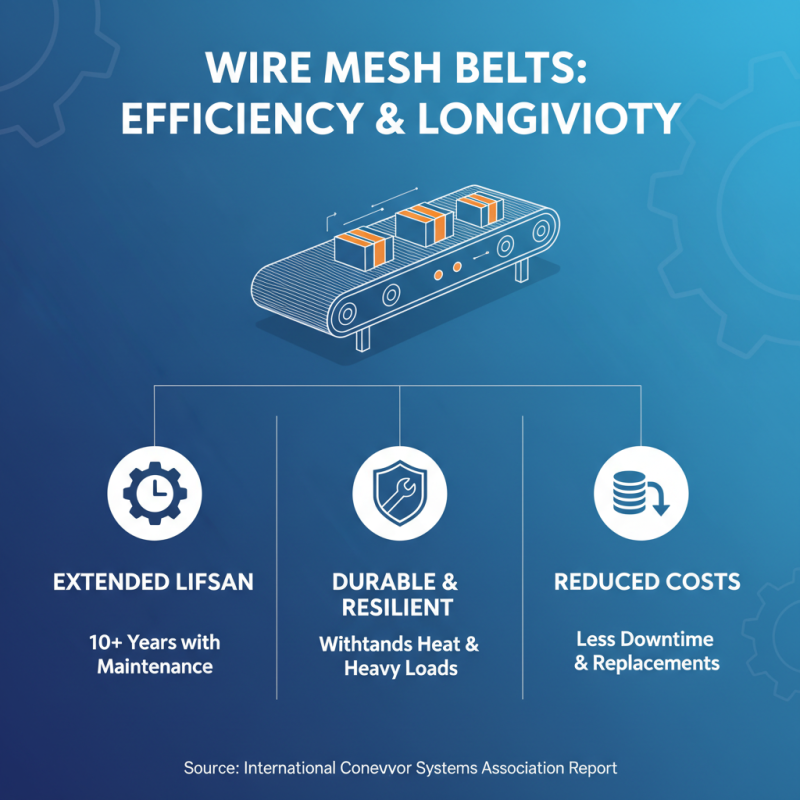
Wire mesh belts are increasingly becoming the go-to solution for industries looking to enhance operational efficiency. One of the significant factors contributing to their popularity is the maintenance and longevity they offer in various applications. According to a report from the International Conveyor Systems Association, wire mesh belts have a lifespan that can exceed ten years with proper maintenance, notably reducing long-term replacement costs and downtime. They are constructed from resilient materials, allowing them to withstand high temperatures and heavy loads, making them ideal for food processing, manufacturing, and packaging sectors.
To maximize the longevity of wire mesh belts, it's crucial to implement a regular maintenance schedule. Routine inspections can help in identifying potential wear and tear before they escalate into larger issues. Additionally, keeping the belts clean from debris and contaminants not only promotes hygiene—especially in food-related industries—but also ensures optimal performance. A study conducted by the Conveyor Manufacturers Association shows that facilities employing a proactive maintenance strategy can reduce operational costs by up to 20%.
Tip: Ensure that you use appropriate cleaning agents that do not corrode the belt materials. Regular lubrication, as per manufacturer guidelines, can significantly enhance performance and reduce friction-related wear.
Investing in wire mesh belts means embracing a sustainable solution that offers both efficiency and durability. Proper maintenance practices tied with timely replacements of worn components can lead to a continuous, smooth operation, minimizing costly repairs and maximizing productivity.